







Not every coffee shop deserves your time, your money, or your afternoon. Some are loud and poorly lit, with mediocre espresso and nowhere comfortable to sit. Others become the kind of place you return to for years — where the barista knows your order, the WiFi holds steady, and the corner table feels like it was made for you. The difference between those two experiences almost always comes down to how well you found the place in the first place.
This guide is for anyone who wants to find a coffee shop they will actually love, not just stumble into the nearest one. We cover how to use coffee listings and cafe lists to search smarter, what to look for depending on why you are going, and how to use the curated guides here on Coffee Shop List to narrow down your options by city, vibe, purpose, and style.
Why “Just Googling” a Coffee Shop Falls Short
Typing “coffee shop near me” into Google and tapping the first result is the most common approach — and consistently the one most likely to end in disappointment. The top results in a local search are determined by Google’s ranking algorithm, which weighs factors like review volume, website optimization, and local SEO practices. The result is that chains, franchises, and heavy-marketing independents dominate the visible listings, while some of the best local spots stay buried on page two because their owners are focused on making great coffee rather than managing their online presence.
Curated coffee listings solve this problem. Rather than relying on an algorithm, a curated cafe list is built by people who have actually visited, researched, and evaluated the shops they recommend. The selection is filtered by quality rather than popularity, which means the hidden gems — the quiet roasters in residential neighborhoods, the independently owned espresso bars beloved by locals — actually surface.
That is the purpose of a resource like Coffee Shop List: to take the guesswork out of how to find a coffee shop worth your time, wherever you are.
Step 1: Know What You Are Actually Looking For
The most useful thing you can do before searching any cafe list or coffee listing is to get specific about your purpose. Coffee shops serve wildly different functions for different people, and a shop that is perfect for one use case is often completely wrong for another.
If you need to work or study: You need reliable, fast WiFi, available power outlets, seating that is comfortable for several hours, and a noise level that does not make concentration impossible. A beautiful café with pour-over coffee and curated playlists may be perfect for a casual visit but completely unsuitable if you are in the middle of a deadline. Our category of best coffee shops for WiFi and remote work filters specifically for this use case, including our detailed roundup of the top 10 coffee shops with fast WiFi and comfortable workspaces.
If you are meeting someone: You need a venue that balances ambiance with a manageable noise level — loud enough to feel lively, quiet enough to have an actual conversation. The seating arrangement matters too: a long shared table works for a casual meetup, while a small private booth suits a more focused one-on-one.
If you are exploring a new city: You want the places locals actually go — not the franchise on the main tourist strip but the neighborhood roaster two blocks off the beaten path. City-specific coffee listings are the fastest way to find these, and our city-specific coffee shop lists are built around exactly this premise.
If you are a specialty coffee enthusiast: You are looking for specific brewing methods, single-origin beans, knowledgeable baristas, and a commitment to sourcing quality that shows up in the cup. These details rarely appear in general online reviews — they require digging into curated coffee guides written by people who understand what to look for.
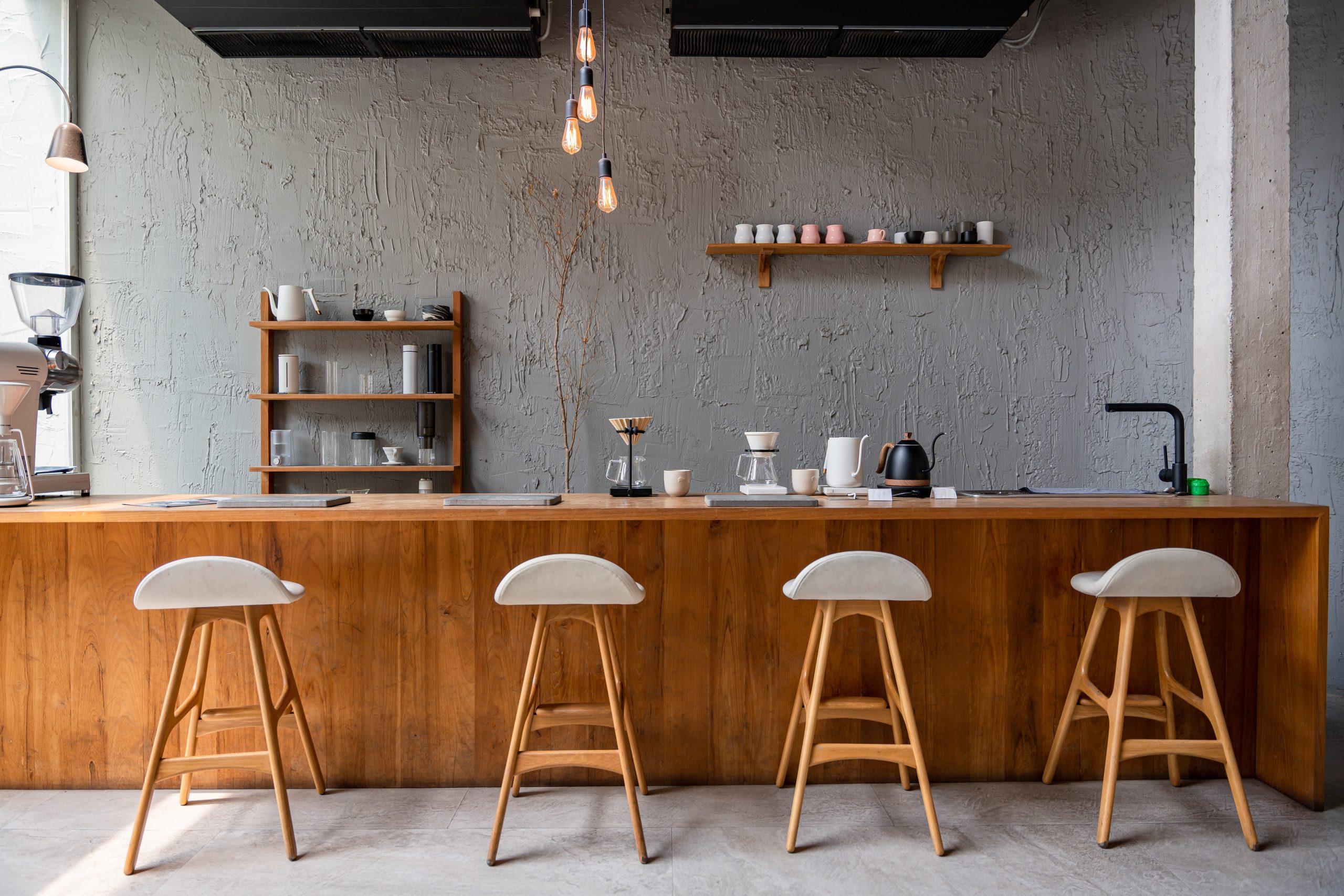
If you want atmosphere and aesthetic: Some visits to a coffee shop are purely about the environment — the interior design, the music, the kind of light that comes through the windows at a certain hour. For this, our post on what makes a café good and our coverage of innovative coffee shop interiors offer a good visual and conceptual framework.
Step 2: Use the Right Type of Coffee Listing for Your Search
Not all coffee listings are created equal. Understanding the different types helps you choose the right tool for your specific search.
General Listing Platforms (Google Maps, Yelp, TripAdvisor)
These platforms index almost every coffee shop in existence, which makes them comprehensive but noisy. They are useful for getting a broad overview of what exists in a given area, checking opening hours, and reading a high volume of reviews. Their weakness is curation — the best-reviewed places are not always the best shops, and the ranking algorithm does not distinguish between a great espresso and a mediocre one served in a photogenic space.
Use these platforms to confirm logistics (hours, location, whether it is open now) after you have already identified a place through a better-curated source.
Specialty Coffee Apps and Directories
Apps like Beanhunter and platforms dedicated to specialty coffee operate more like a curated cafe list than a general directory. They tend to be populated by coffee enthusiasts who care about the quality of the cup specifically, making them valuable when specialty coffee is your priority. The trade-off is that their geographic coverage can be uneven — excellent for major cities with active coffee cultures, thinner in smaller markets.
Curated Blog and Editorial Guides
This is where the richest, most contextually useful coffee listings live. A well-researched editorial guide tells you not just where a coffee shop is but what it is actually like inside, what to order, and who it is right for. It filters by opinion and expertise rather than review volume, which means the results are often far more useful than anything an algorithm can produce.
Our Coffee Shop Guides section is built on this model — organized by city, neighborhood type, and purpose so you can find a coffee shop that matches your specific situation rather than just your location.
Social Media Discovery
Instagram and TikTok have become meaningful discovery channels for coffee shops, particularly for aesthetically distinctive spaces. A café with a strong visual identity tends to surface organically through tagged posts and location-based content, which can surface genuinely great spots that would never appear near the top of a Google search. The limitation is obvious — visual appeal and coffee quality are not the same thing. Use social discovery as a starting point to add places to your consideration list, then verify them through a more detailed cafe list or review source before committing to the visit.
Step 3: How to Read a Cafe List Like an Expert
Whether you are reading a city guide, a neighborhood spotlight, or a category-specific roundup, a few principles help you extract the most useful information from any cafe list.
Look beyond the name and address. A good cafe list entry tells you something specific about the shop’s identity — the kind of coffee it specializes in, the atmosphere it creates, the type of customer it naturally attracts. Generic descriptions like “cozy atmosphere and great coffee” tell you almost nothing useful. Specific details like “single-origin pour-overs in a quiet converted terrace house popular with architects and writers” tell you exactly whether this is your kind of place.
Pay attention to what is NOT mentioned. If a café listing in a specialty coffee guide does not mention the sourcing, roasting, or brewing approach, that is meaningful information. Similarly, if a work-friendly coffee listing does not mention WiFi speed or outlet availability, assume neither is exceptional.
Check when the list was written. Coffee shops open and close frequently, and a cafe list written two or three years ago may include places that have since changed owners, menus, or atmosphere — or closed entirely. Where possible, cross-reference older listings against recent Google reviews to confirm the shop is still operating as described.
Use the city-specific guides for travel planning. Our listings for cities like New York, Los Angeles, Chicago, Seattle, and Portland are built specifically for travelers and new arrivals who want to shortcut the discovery process rather than spending their first week sorting through mediocre options.
Step 4: Chains vs. Independents — What the Listings Won’t Always Tell You
One of the most practically useful distinctions when you find a coffee shop is whether you are walking into a chain or an independent — and understanding what that choice actually means for your experience.
Chain coffee shops offer consistency and predictability. You know roughly what the menu looks like, what the WiFi policy is, and what the interior feels like before you arrive. For quick visits, familiar orders, and situations where predictability matters more than discovery, chains serve a genuinely useful role.
Independent cafés, by contrast, offer personality, variety, and often significantly higher coffee quality — but come with more variability. A great independent is a better experience than almost any chain equivalent. A mediocre independent can be worse. The coffee listings and curated guides here focus heavily on independents because they are where genuine discovery happens, and because the information gap is larger — the internet is full of coverage of major chains and almost no reliable curation of the independents worth your time.
Our dedicated section on coffee chains vs independent cafés explores this distinction in depth, including our piece on the battle of beans: coffee chains vs independent cafés, which breaks down what each format actually delivers and when each makes more sense.
Step 5: Going Off the List — Finding Hidden Gems
The best coffee shop discoveries often happen beyond any published cafe list — in the moment, in an unfamiliar neighborhood, with no prior research. A few practical instincts help in these situations:
Follow the locals, not the tourists. In any city, the cafés where you see residents lingering rather than tourists photographing are almost always the more authentic and often the better ones.
Look for roasting equipment. A café that roasts its own beans is almost always more invested in coffee quality than one that sources from a mass distributor. Even a small roasting setup visible from the counter is a strong positive signal.
Ask a barista. The most reliable referral for a good coffee shop in an unfamiliar city is a barista at a good coffee shop you have already found. They know the local scene, know who their peers respect, and are usually happy to recommend places worth visiting.
Read the room. A café where most customers are working, reading, or in quiet conversation is a different environment than one where most people are taking photos and moving on quickly. Both are valid — but knowing which you are walking into matters.
For a deeper guide to discovering off-the-grid coffee experiences, our post on hidden coffee gems: off-the-beaten-path cafés worldwide covers how to seek out the kind of places that never appear in mainstream coffee listings.
Using Coffee Shop List as Your Go-To Cafe List Resource
Coffee Shop List is built around the idea that finding a great coffee shop should not require luck. Whether you are searching for a remote-work café in a new city, a neighborhood hidden gem, a specialty roaster for a particular brewing method, or simply the most atmospheric spot in your area for a slow Saturday morning, the guides here are organized to surface what you are actually looking for.
Start with our Coffee Shop Guides for city-by-city and neighborhood-by-neighborhood curated lists, browse our Reviews & Ranking section for purpose-specific recommendations, and use the Coffee Travel guides when you are planning ahead for a trip and want to know exactly where to go before you land.
Frequently Asked Questions
What is the best way to find a coffee shop in a new city? Start with a curated city-specific cafe list from a trusted coffee guide rather than a general search engine. City guides built by coffee enthusiasts surface local favorites and hidden gems that rarely appear at the top of algorithmic search results.
How do I use coffee listings to find a work-friendly café? Filter specifically for listings that mention WiFi speed, outlet availability, and noise level rather than general atmosphere. Our WiFi and remote work coffee shop guides are built around exactly these criteria.
Are independent coffee shops better than chains? In terms of coffee quality and atmosphere, independent cafés typically offer a richer experience — but consistency varies. Chains offer predictability. The right choice depends on what you need from the visit. See our chains vs independent cafés section for a full comparison.
How often are coffee listings updated? This varies by source. General platforms like Google Maps update in near-real-time as businesses add information. Editorial cafe lists and blog guides are typically updated periodically. Always cross-check a café’s current status with a quick search before visiting, particularly if the listing is older.
Where can I find hidden gem coffee shops not in mainstream listings? Local neighborhood guides, specialty coffee apps, social media location tags, and recommendations from baristas at cafés you already enjoy are consistently the best sources for discovering places that do not appear in standard coffee listings.