





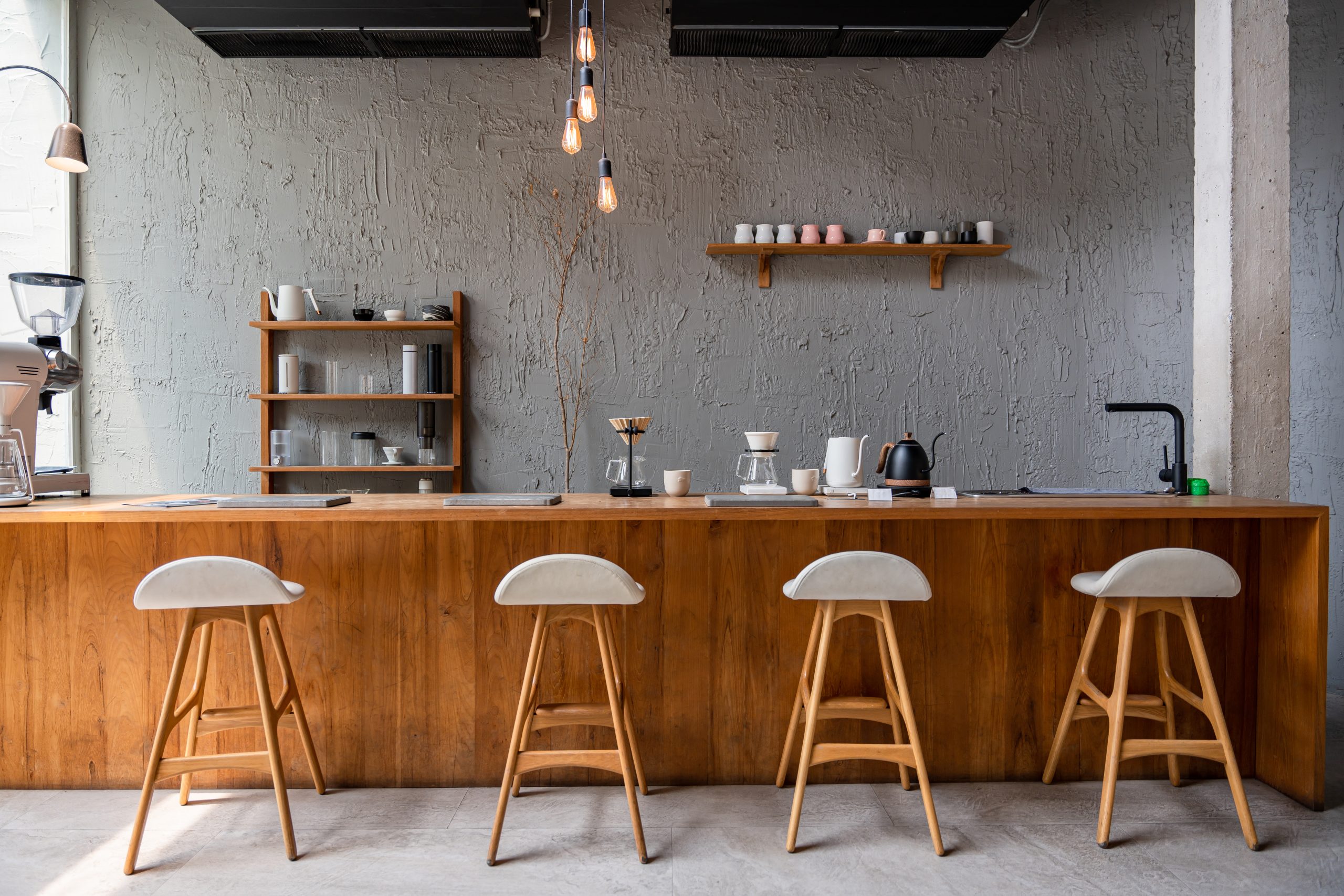
The coffee industry is evolving rapidly, and so is the way cafés are designed. In 2025, coffee shop interiors are no longer just about functionality—they’re about creating experiences, telling stories, and connecting with customers on multiple levels. From minimalist serenity to maximalist exuberance, the latest design trends cater to diverse audiences while reflecting the personality and values of each café.
This guide explores the top design trends shaping coffee shops in 2025, providing inspiration for café owners, designers, and coffee enthusiasts who want to understand what makes a space both visually striking and customer-focused.
1. Minimalist Designs: Calm, Clean, and Functional
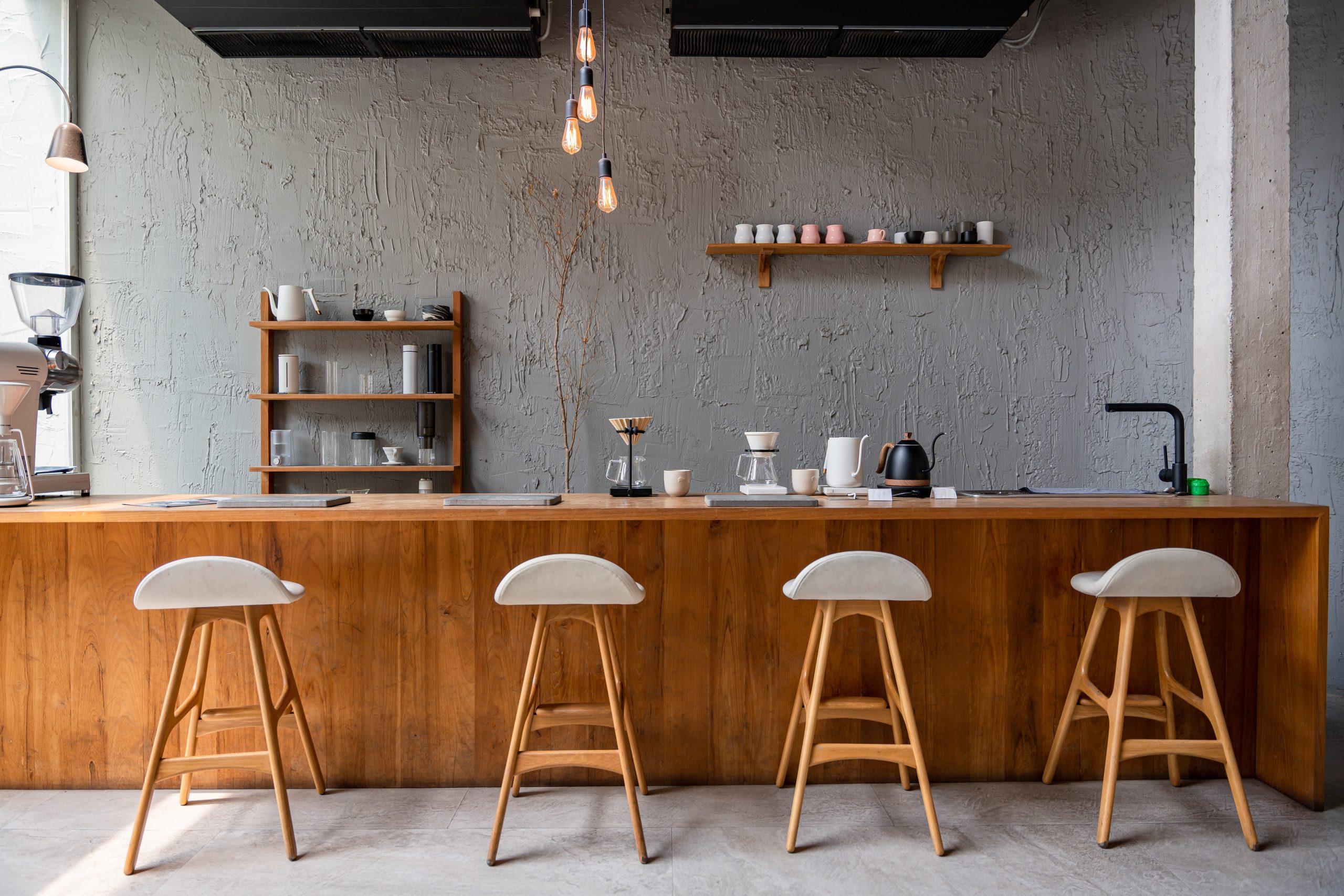
Minimalism continues to thrive as a design philosophy for coffee shops seeking simplicity, elegance, and clarity.
Key Features:
-
Neutral color palettes: whites, grays, and natural tones create a calming atmosphere.
-
Clean lines and uncluttered layouts encourage relaxation and focus.
-
Use of quality materials like wood, steel, and stone to convey sophistication.
-
Subtle, warm lighting that enhances the coffee experience without overwhelming the space.
Why It Works in 2025:
Minimalist cafés appeal to professionals, students, and travelers who prioritize a serene environment for work or contemplation. The uncluttered design directs attention to the coffee, menu, and customer experience, fostering mindfulness and satisfaction.
Example:
Chains like Blue Bottle Coffee and boutique cafés in Melbourne use minimalism to highlight artisanal coffee preparation and create a calm, stylish space for patrons.
2. Maximalist Designs: Bold, Eclectic, and Immersive
Maximalism is gaining traction as a counterbalance to minimalist trends. Maximalist coffee shops embrace bold colors, textures, and patterns, creating a rich sensory experience.
Key Features:
-
Vibrant color schemes with layered textures and diverse materials.
-
Statement furniture and décor pieces that serve as conversation starters.
-
Walls adorned with murals, art, or curated collections reflecting a story or theme.
-
Flexible seating and lounge areas for social interaction and engagement.
Why It Works in 2025:
Maximalist cafés appeal to customers seeking immersive experiences, Instagrammable moments, and dynamic social environments. They encourage exploration, creativity, and longer dwell times.
Example:
Truth Coffee Roasting in Cape Town combines steampunk-inspired industrial design with bold details, attracting both locals and tourists with a visually striking environment.
3. Biophilic Design: Nature-Inspired Interiors
In 2025, cafés are increasingly incorporating natural elements to enhance well-being and create calming, restorative spaces.
Key Features:
-
Indoor plants, green walls, and vertical gardens that improve air quality and aesthetics.
-
Natural materials like bamboo, wood, and stone to establish warmth and texture.
-
Large windows and skylights that allow natural light and views of outdoor greenery.
-
Subtle water features or nature-inspired patterns for sensory engagement.
Why It Works:
Biophilic design supports mental well-being, reduces stress, and creates a more inviting space for customers. It also enhances social media appeal as patrons share visually lush environments.
Example:
Cafés such as The Grounds of Alexandria in Sydney integrate lush plant life and garden-inspired décor, offering an immersive coffee experience that connects patrons with nature.
4. Vintage and Retro Trends: Nostalgia Meets Modernity
Nostalgia continues to influence coffee shop design, with vintage and retro aesthetics creating character and warmth.
Key Features:
-
Antique or repurposed furniture and lighting fixtures.
-
Muted, earthy color palettes with pops of vibrant tones.
-
Curated décor items, such as vintage coffee grinders, posters, or local memorabilia.
-
Music and ambiance that complement the visual theme.
Why It Works:
Vintage and retro designs evoke emotional connections and a sense of history. Customers are drawn to the authenticity and storytelling aspect, which encourages longer visits and repeat patronage.
Example:
Cafés in Rome and Buenos Aires often combine vintage charm with local coffee traditions, giving visitors both a cultural and sensory experience.
5. Community-Centric Layouts: Spaces for Interaction
In 2025, coffee shops are designed to foster interaction, collaboration, and social engagement, turning cafés into community hubs.
Key Features:
-
Flexible seating arrangements: communal tables, cozy corners, and bar seating.
-
Multi-functional spaces suitable for workshops, tastings, and events.
-
Open layouts that encourage mingling and participation.
Why It Works:
Cafés become more than a coffee stop—they’re places for creativity, learning, and social connection. Community-centric designs build customer loyalty and allow cafés to diversify revenue streams through events and collaborations.
Example:
Melbourne and Wellington cafés incorporate communal tables, pop-up art events, and creative corners that transform the café into a social and cultural hub.
6. Tech-Integrated Interiors: Convenience Meets Aesthetics
As technology becomes an integral part of everyday life, coffee shop designs increasingly incorporate tech solutions without compromising ambiance.
Key Features:
-
Charging stations and power outlets for devices.
-
Mobile ordering, digital menus, and smart point-of-sale systems.
-
Wi-Fi connectivity and dedicated workspaces for remote workers.
-
Smart lighting and climate control to enhance comfort.
Why It Works:
Tech integration caters to digital nomads, students, and young professionals who value connectivity, productivity, and convenience while enjoying their coffee experience.
Example:
Seoul and Tokyo cafés blend sleek interiors with technology, offering mobile ordering systems, free Wi-Fi, and spaces optimized for work or study.
7. Cultural and Storytelling Design
Cafés are increasingly designed to tell a story or reflect local culture, adding depth to the customer experience.
Key Features:
-
Local artwork, murals, and historical artifacts.
-
Themed décor reflecting music, literature, or cultural heritage.
-
Custom furniture and design elements that convey a narrative.
Why It Works:
Storytelling through design creates emotional engagement, differentiating the café from generic chains. Customers feel immersed in a unique environment, enhancing brand loyalty and word-of-mouth marketing.
Example:
Café Giang in Hanoi uses its interior to highlight Vietnamese coffee traditions, offering visitors an immersive cultural and sensory experience.
8. Sustainable Design: Eco-Friendly and Conscious Spaces
Sustainability is a growing priority in 2025, influencing coffee shop design from materials to energy use.
Key Features:
-
Reclaimed, recycled, and locally sourced building materials.
-
Energy-efficient lighting and appliances.
-
Composting stations, reusable cups, and eco-conscious décor.
-
Designs that encourage environmentally responsible behavior among customers.
Why It Works:
Sustainable design resonates with environmentally conscious consumers and strengthens brand identity. It also demonstrates corporate responsibility and attracts customers who prioritize ethical practices.
Example:
Cafés in Portland and Copenhagen are leading the way with eco-conscious interiors, creating visually appealing and environmentally responsible spaces.
9. Tips for Coffee Shop Design in 2025
-
Align Design with Brand Identity: Your interior should reflect your café’s personality and values.
-
Focus on Comfort and Functionality: Prioritize seating, lighting, and layout for both staff efficiency and customer experience.
-
Blend Trends Thoughtfully: Balance minimalist and maximalist elements to create a cohesive yet dynamic environment.
-
Encourage Social Interaction: Incorporate communal areas, workshops, and events to foster community engagement.
-
Integrate Technology Seamlessly: Enhance convenience without disrupting aesthetics.
-
Highlight Local Culture: Celebrate local artistry, architecture, and traditions to create authenticity.
-
Consider Sustainability: Use eco-friendly materials and practices to appeal to conscious consumers.
10. Conclusion
From minimalist calm to maximalist vibrancy, coffee shop design trends in 2025 reflect a balance of aesthetics, functionality, and customer experience. Biophilic elements, vintage charm, tech integration, and community-focused layouts all contribute to creating spaces that attract, engage, and retain customers.
In a competitive market, interior design is not just decoration—it’s a strategic tool for building brand identity, fostering loyalty, and enhancing the overall coffee experience. The right design transforms a café from a simple coffee stop into a destination, a social hub, and a memorable cultural experience.
For café owners, designers, and coffee enthusiasts, understanding these trends is essential. By blending creativity, innovation, and thoughtful design, coffee shops can stand out, delight customers, and thrive in 2025 and beyond.