






Coffee shops have evolved into much more than just places to grab a quick cup of coffee. They are social hubs, workspaces, and community gathering spots where people come to meet friends, study, work, or relax. With this shared environment comes the responsibility of being mindful of seating etiquette. How you choose and occupy your table affects not only your experience but also that of other patrons. Understanding seating etiquette, sharing tables appropriately, and considering the comfort of others are essential skills for every coffee shop visitor.
In this guide, we’ll explore why seating etiquette matters, practical strategies for sharing tables, and tips to ensure a pleasant experience for everyone.
Why Seating Etiquette Matters
Proper seating etiquette is crucial in coffee shops for several reasons:
1. Comfort for All Patrons: Coffee shop seating is often limited, particularly during peak hours. Thoughtful seating ensures everyone has a place to sit and enjoy their coffee comfortably.
2. Respect for Personal Space: Tables are shared spaces. Being considerate helps maintain personal boundaries and avoids overcrowding.
3. Efficient Use of Space: Smart seating allows the café to accommodate more patrons, ensuring that everyone can enjoy the environment without feeling cramped.
4. Enhancing the Atmosphere: Polite seating behavior contributes to a calm, friendly, and welcoming atmosphere where patrons can work, socialize, or relax without disruption.
Choosing the Right Table
Selecting the right table is the first step in practicing good seating etiquette.
Consider the Size of Your Group: If you’re alone, a small table or corner seat is ideal. For groups, choose a table large enough to accommodate everyone comfortably. Avoid taking a big table for a single person during busy periods.
Be Mindful of Location: Popular tables near windows, outlets, or prime seating areas are often limited. If you don’t require these spots, allow others to use them.
Avoid Blocking Walkways: Position yourself in a way that doesn’t obstruct pathways or access to other tables. This is particularly important in small cafés with tight spaces.
Observe the Space: Before sitting, check for signs of reserved tables or belongings left by others. Respecting these indicators prevents misunderstandings.
Sharing Tables Considerately
Sharing tables is common in busy coffee shops, and doing it politely is key.
Invite or Allow Others to Join: If you have extra space at your table, a simple gesture like, “Would you like to share this table?” can create a friendly atmosphere. Many patrons appreciate the opportunity to sit without waiting.
Respect Privacy: While sharing, give others enough space to feel comfortable. Avoid staring, leaning over, or encroaching on their personal area.
Be Flexible with Seating Arrangements: If someone needs a larger table or multiple chairs, consider moving to a smaller spot. Sharing should be mutually beneficial and respectful.
Avoid Hogging Space: Don’t spread belongings across multiple seats or tables. Keep your items organized to maximize usable space for others.
Handling Long Stays
Coffee shops are often used as workspaces or meeting spots, and some patrons may stay for extended periods.
Be Mindful of Peak Hours: During busy times, try to avoid occupying prime seating for hours. Long stays are acceptable, but balancing your presence with the needs of others demonstrates consideration.
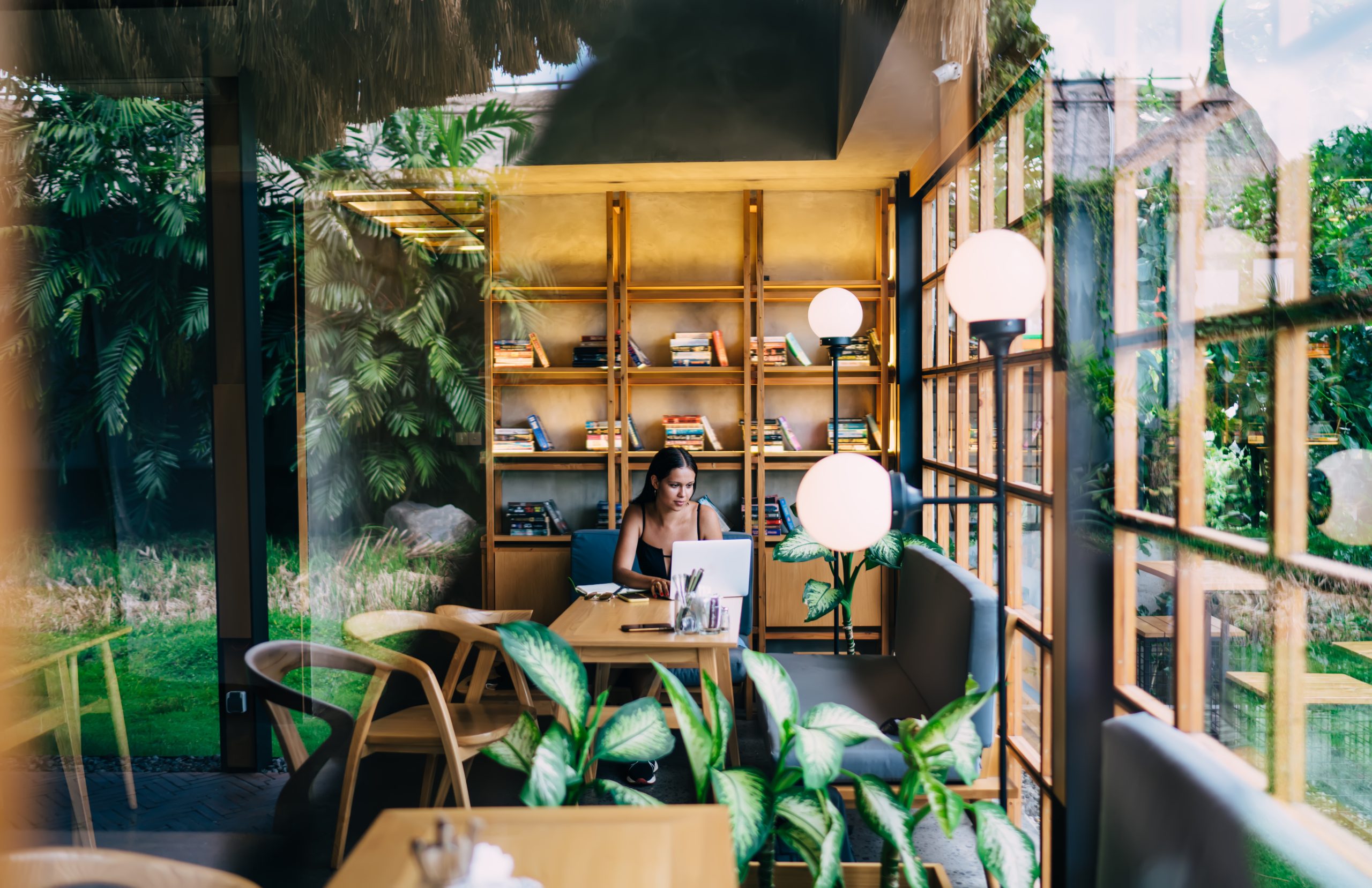
Choose Appropriate Spots: Select corners, side tables, or less busy areas if you plan to stay for a long session. Avoid high-demand tables that others may need.
Adjust for Groups: If you’re working or studying with friends, ensure you don’t occupy more chairs or tables than necessary. Spread out strategically to allow room for others.
Take Breaks: If you’re lingering, step aside occasionally to allow staff to clean or other patrons to pass through comfortably.
Respecting Shared Amenities
Seating etiquette also involves being considerate with shared resources in the coffee shop.
Power Outlets: Many patrons need outlets for laptops or devices. Don’t monopolize multiple outlets when others may need them.
Community Tables: Large, shared tables often host multiple people. Keep your belongings organized and avoid taking up more space than necessary.
Quiet Zones: Some cafés designate areas for studying or quiet work. Respect these zones by maintaining low noise levels and organized seating.
High-Traffic Areas: Avoid sitting in spots that block service counters, aisles, or popular seating areas. Awareness of surroundings ensures smoother navigation for everyone.
Group Behavior and Social Etiquette
Groups of friends or colleagues need to be especially mindful of seating etiquette.
Avoid Overcrowding: Ensure your group doesn’t take more tables than necessary. Large gatherings should book private spaces if available.
Noise Considerations: Keep conversations at reasonable volumes. Groups can unintentionally disrupt quiet patrons if they’re loud or boisterous.
Organize Belongings: Backpacks, coats, and other items should be kept under chairs or in designated storage areas to prevent encroaching on neighboring tables.
Check-In With Staff: Some cafés allow group reservations or private seating arrangements. Coordinating with staff ensures your group doesn’t inconvenience others.
Handling Conflicts or Limited Seating
Sometimes seating conflicts arise, particularly in crowded coffee shops.
Stay Calm and Polite: If a dispute occurs over a table, remain calm and courteous. Aggressive behavior only escalates tension.
Offer Compromise: Suggest sharing the table or moving to an alternative spot. Cooperation creates a positive experience for everyone.
Ask Staff for Guidance: Baristas and staff are familiar with seating arrangements and can assist in resolving conflicts quickly and fairly.
Respect the Rules: Many coffee shops have clear seating policies, including time limits, reserved areas, or communal table rules. Adhering to these rules ensures a smooth experience.
Encouraging Community-Friendly Behavior
Good seating etiquette isn’t just about personal consideration; it contributes to the overall community feel of the coffee shop.
Lead by Example: When you practice polite seating habits, others may follow suit.
Educate Gently: If you notice someone struggling with seating etiquette, a friendly suggestion can help without being confrontational.
Promote Inclusivity: Sharing tables and space demonstrates that coffee shops are for everyone, fostering a welcoming environment.
Support Staff Efforts: Proper seating reduces the burden on staff to manage space and allows them to focus on service quality.
Conclusion
Seating etiquette is a crucial part of enjoying and respecting shared coffee shop spaces. By choosing the right table, sharing space politely, being mindful of long stays, respecting shared amenities, and managing group behavior, you ensure that everyone—yourself, other patrons, and staff—has a positive experience.
Coffee shops thrive on the balance between social interaction and personal comfort. Practicing good seating etiquette creates a welcoming, efficient, and enjoyable environment. Next time you visit your favorite café, take a moment to consider how your seating choices affect those around you. Small gestures of thoughtfulness, awareness, and courtesy can make a big difference in maintaining the coffee shop as a comfortable and friendly community space.
Remember: coffee shop seating isn’t just about finding a place to sit—it’s about creating an environment where everyone can enjoy their coffee, work, or conversation comfortably. When patrons respect one another, the café becomes more than a coffee spot—it becomes a shared space for community, connection, and comfort.