







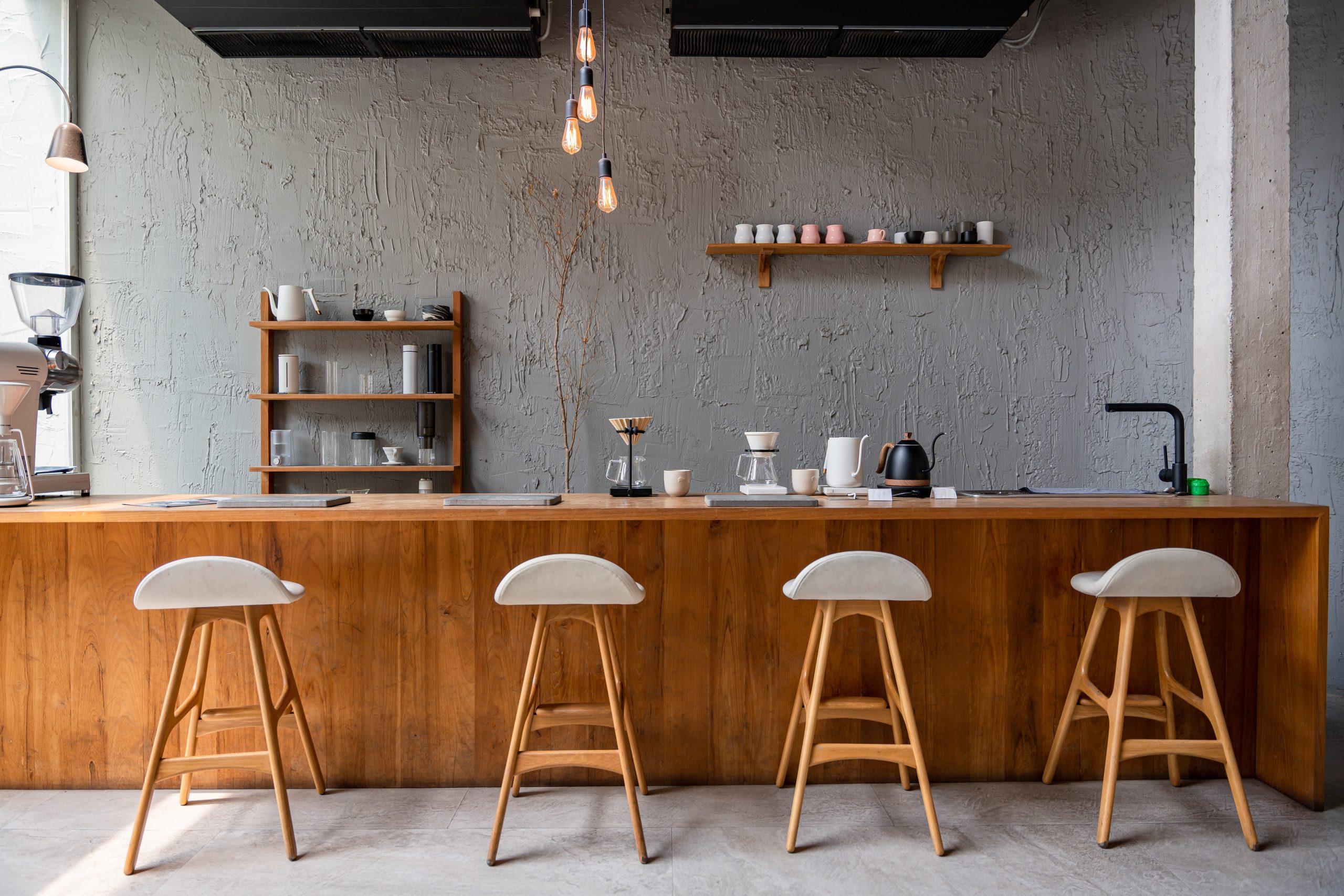


Opening a coffee shop is more than just serving espresso and lattes—it’s about creating an experience that customers remember and return to. Whether you dream of a cozy neighborhood café, a specialty coffee shop, or a modern drive-thru, careful planning, strategy, and execution are key to success.
This guide walks you through the essential steps to turn your coffee shop idea into a thriving business.
1. Define Your Concept and Niche
Before anything else, determine what makes your café unique. This sets the tone for your branding, menu, and customer experience.
Consider:
-
Type of café: Specialty coffee, casual neighborhood spot, café-bakery hybrid, or high-end coffee lounge.
-
Target audience: Students, professionals, families, tourists, or digital nomads.
-
Brand personality: Cozy and welcoming, minimalist and sleek, or bold and quirky.
-
Menu focus: Specialty coffee, seasonal drinks, organic options, or vegan-friendly beverages.
Tip: A clear concept makes it easier to design your space, develop a menu, and market effectively.
2. Conduct Market Research
Understanding your local market ensures your café meets demand and stands out from competitors.
Research steps:
-
Demographics: Identify your target audience and their preferences.
-
Competition analysis: Visit nearby cafés, note their menu, pricing, atmosphere, and customer base.
-
Location insights: Evaluate foot traffic, accessibility, and nearby businesses that attract your audience.
Why it matters:
Market research minimizes risk, informs pricing, and helps you position your coffee shop strategically.
3. Create a Business Plan
A solid business plan serves as a roadmap and is essential if you seek funding from investors or banks.
Include:
-
Executive summary: Concept, goals, and vision.
-
Market analysis: Research findings, target audience, and competition.
-
Operations plan: Location, staffing, hours, suppliers, and workflow.
-
Menu strategy: Signature drinks, food offerings, and seasonal items.
-
Financial projections: Startup costs, revenue forecasts, and break-even analysis.
-
Marketing plan: Branding, social media strategy, events, and promotions.
Tip: Keep your plan realistic and flexible—business plans evolve as your café grows.
4. Secure Funding
Opening a café requires capital for equipment, renovations, staffing, and initial inventory.
Funding options:
-
Personal savings or family loans
-
Bank loans or lines of credit
-
Investors or business partners
-
Crowdfunding campaigns
Tip: Prepare detailed cost estimates and financial projections to present a credible case to lenders or investors.
5. Choose the Right Location
Your location can make or break your café.
Factors to consider:
-
Visibility and accessibility: Easy to find, with parking or nearby public transport.
-
Foot traffic: Areas near offices, schools, or busy neighborhoods are ideal.
-
Local competition: Balance demand with saturation.
-
Space layout: Enough room for seating, equipment, storage, and customer flow.
Tip: Visit potential locations multiple times at different hours to understand traffic patterns.
6. Design Your Space
The interior should reflect your brand and enhance the customer experience.
Key design elements:
-
Ambiance: Lighting, color palette, furniture, and music set the mood.
-
Functionality: Efficient layout for staff workflow and customer flow.
-
Instagrammable corners: Attractive spots encourage social media shares.
-
Comfort: Seating arrangements for solo visitors, groups, and remote workers.
Example: Minimalist cafés attract productivity-focused customers, while cozy, eclectic interiors appeal to those seeking comfort and relaxation.
7. Acquire Equipment and Suppliers
Quality coffee requires reliable equipment and ingredients.
Essential equipment:
-
Espresso machine and grinder
-
Drip coffee brewers, pour-over setups, and kettles
-
Refrigeration and storage units
-
Cups, utensils, and serving tools
Suppliers:
-
Coffee beans (local roasters or specialty imports)
-
Milk, alternative milks, and ingredients for seasonal drinks
-
Pastries, sandwiches, or snacks (in-house or local bakeries)
Tip: Build strong relationships with suppliers to ensure consistent quality and favorable pricing.
8. Develop Your Menu
A thoughtful menu highlights your concept and attracts your target audience.
Menu tips:
-
Signature drinks: Offer something unique that customers can’t find elsewhere.
-
Variety: Include espresso-based drinks, brewed coffee, teas, and seasonal specials.
-
Food pairings: Complement beverages with pastries, sandwiches, or light snacks.
-
Pricing: Balance affordability with quality and profitability.
Tip: Start with a focused menu and expand as you understand customer preferences.
9. Hire and Train Staff
Your team is crucial in delivering a memorable customer experience.
Staffing considerations:
-
Baristas with skill and passion for coffee
-
Customer service staff who embody your brand personality
-
Managers or supervisors to handle operations and scheduling
Training tips:
-
Standardize beverage preparation to maintain consistency.
-
Train staff in customer engagement, upselling, and café culture.
-
Encourage teamwork and problem-solving to enhance efficiency.
Tip: Happy, knowledgeable staff create loyal customers and a positive café atmosphere.
10. Marketing and Pre-Launch Strategy
Generating buzz before opening ensures a strong start.
Marketing tactics:
-
Social media presence: Share your journey, behind-the-scenes content, and teasers.
-
Soft opening events: Invite friends, local influencers, or community members.
-
Collaborations: Partner with nearby businesses for cross-promotion.
-
Loyalty programs: Offer early sign-ups or incentives for first-time visitors.
Tip: Build anticipation and tell your story—people connect with passion and authenticity.
11. Launch and Beyond
Opening day sets the tone, but sustained success comes from ongoing attention to quality, service, and customer engagement.
Steps for launch:
-
Soft launch: Test operations, gather feedback, and adjust workflows.
-
Grand opening: Promote via social media, local press, and community events.
-
Monitor and adapt: Track sales, customer feedback, and staff performance.
Long-term strategies:
-
Regular menu updates and seasonal drinks
-
Engaging social media content and events
-
Loyalty programs and customer appreciation initiatives
-
Community involvement to foster a local following
12. Conclusion
Opening a coffee shop is a journey that blends creativity, business acumen, and customer focus. From concept development and location scouting to menu design, staffing, and marketing, every step is crucial to building a café that attracts, engages, and retains loyal customers.
The most successful coffee shops are those that offer more than great coffee—they provide an experience, a community, and a story that customers want to be part of. By following these steps and committing to quality, consistency, and engagement, you can transform your dream café from concept to cup and create a thriving business that stands out in the bustling coffee market.