



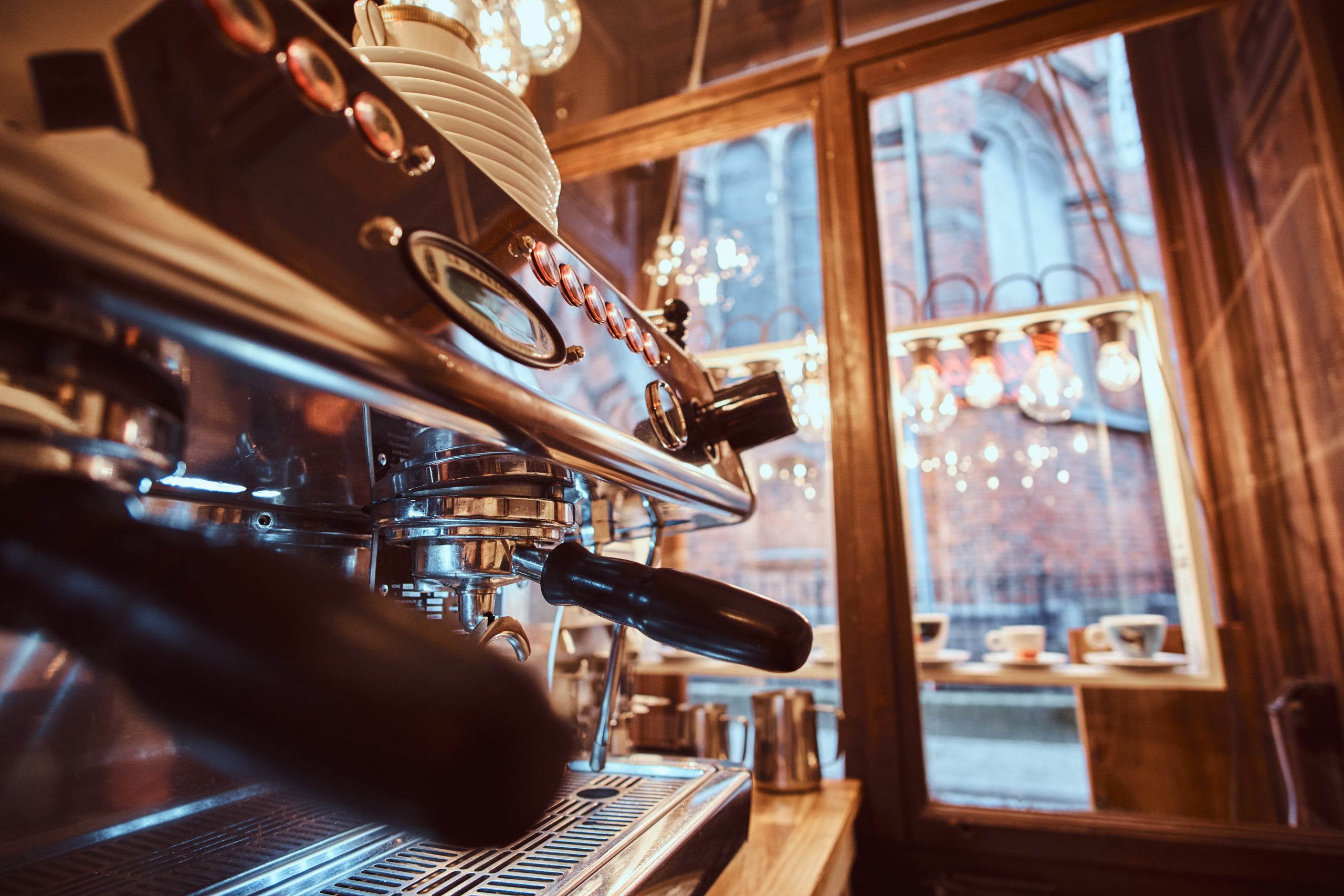
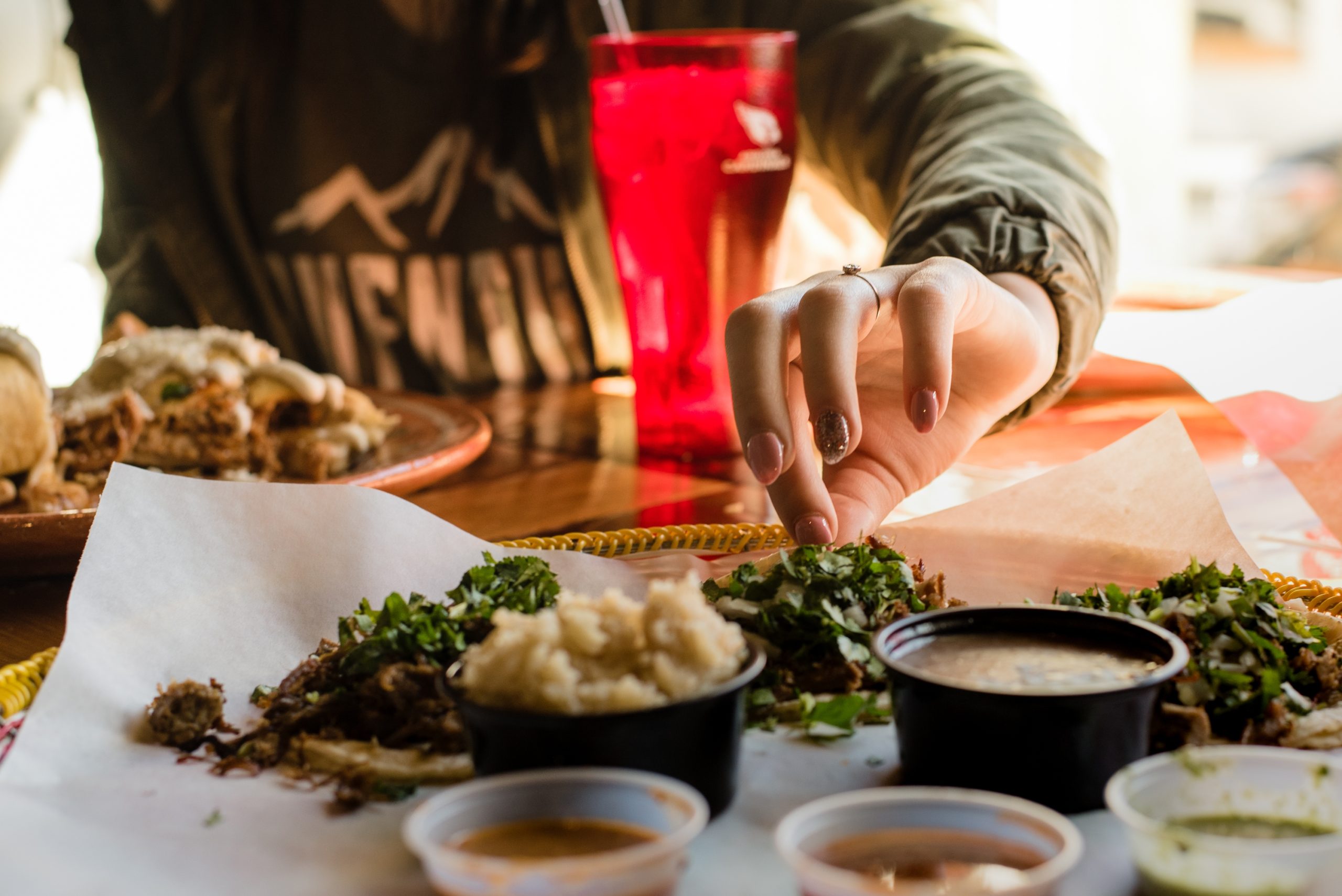


Coffee is more than just a drink—it’s a cultural experience, a social ritual, and often a window into local life. Across the globe, cafés reflect the history, traditions, and creativity of the communities they serve. From the espresso bars of Italy to Japan’s specialty coffee shops, café culture varies widely, offering travelers and coffee enthusiasts a fascinating journey through flavor, ambiance, and social interaction.
This article explores café culture in several countries, highlighting how local customs, brewing techniques, and social habits shape the coffee experience.
1. Italy: The Birthplace of Espresso
Italy is synonymous with coffee, and its café culture is deeply ingrained in daily life. Espresso is king, and cafés—or bars, as they are called—are social hubs for locals.
Key features of Italian café culture:
-
Quick, standing espresso: Italians often drink coffee standing at the bar for speed and efficiency.
-
Community interaction: Café visits are social moments, often accompanied by friendly banter with baristas or neighbors.
-
Local traditions: Popular drinks include espresso, macchiato, and cappuccino (usually enjoyed before noon).
Must-visit cafés:
-
Caffè Florian, Venice: Established in 1720, this historic café offers ornate interiors and a glimpse into the elegance of traditional Italian coffee houses.
-
Sant’Eustachio Il Caffè, Rome: Famous for its secret blend and perfect crema, it exemplifies the Roman espresso experience.
Italian cafés emphasize quality, speed, and social connection, making coffee a ritual that blends daily routine with culture.
2. France: Leisure and Elegance
In France, particularly Paris, cafés are more than coffee spots—they are spaces for leisure, conversation, and people-watching.
Key features of French café culture:
-
Sidewalk seating: Patrons linger over coffee while observing city life.
-
Slow pace: Coffee is meant to be savored, often accompanied by pastries like croissants or pain au chocolat.
-
Social hubs: Cafés have historically been meeting places for intellectuals, writers, and artists.
Notable cafés:
-
Café de Flore, Paris: A historic café frequented by artists and thinkers, embodying the essence of Parisian café culture.
-
Les Deux Magots: Another iconic spot with a long history of fostering creativity and conversation.
In France, coffee culture emphasizes elegance, reflection, and social engagement, creating an atmosphere where time slows down.
3. Spain: Social Espresso Culture
Spain’s café culture focuses on social interaction, often centered around small, local coffee bars known as cafeterías.
Key features:
-
Café con leche: A staple drink combining espresso and milk, commonly enjoyed throughout the day.
-
Tapas and coffee: Coffee is often paired with small snacks, reinforcing social connections.
-
Community hubs: Cafés are places to gather with friends or colleagues, blending leisure and conversation.
Hidden gems:
-
Neighborhood cafés in Barcelona or Madrid often provide authentic experiences, away from tourist-heavy locations, where locals enjoy coffee as a communal ritual.
4. Japan: Precision and Craftsmanship
Japan has developed a unique coffee culture, blending tradition with meticulous craftsmanship and modern design. Specialty coffee shops are growing in popularity, emphasizing quality, aesthetics, and precision.
Key features:
-
Specialty brewing: Pour-over, siphon, and hand-drip methods are common.
-
Attention to detail: Baristas often measure water temperature, grind size, and brewing time carefully to create the perfect cup.
-
Minimalist ambiance: Cafés focus on calm, serene environments with thoughtful interiors.
Popular spots:
-
% Arabica, Kyoto: Known for high-quality single-origin beans and visually stunning pour-over coffee.
-
Onibus Coffee, Tokyo: Small, intimate space emphasizing craft and design.
In Japan, coffee culture emphasizes mindfulness, precision, and aesthetic experience, making each cup both a sensory and visual delight.
5. United States: Specialty Coffee Revolution
In the U.S., café culture varies widely, from fast-paced urban chains to artisanal specialty coffee shops. Cities like Portland, Seattle, and New York have become hubs for innovative coffee experiences.
Key features:
-
Specialty coffee: Focus on single-origin beans, craft brewing, and sustainable sourcing.
-
Community engagement: Many cafés double as coworking or social spaces for freelancers and creatives.
-
Diverse offerings: From espresso to cold brew, cafés cater to a variety of tastes and preferences.
Notable examples:
-
Coava Coffee Roasters, Portland: Emphasizes single-origin beans and precise brewing techniques.
-
Blue Bottle Coffee, New York: Known for minimalist design, quality, and innovation.
American cafés often combine quality with community engagement, creating versatile spaces for work, socializing, and leisure.
6. Australia and New Zealand: Coffee as Lifestyle
In Oceania, coffee is more than a beverage—it’s a lifestyle. Both Australia and New Zealand boast thriving café cultures focused on specialty coffee, innovation, and social interaction.
Key features:
-
Flat white: A local invention that has gained international popularity.
-
Artisanal cafés: Emphasis on locally roasted beans, precise brewing, and creative drinks.
-
Social hubs: Cafés are community spaces for conversation, work, and relaxation.
Notable cafés:
-
Proud Mary, Melbourne: Specialty coffee, excellent food, and a welcoming atmosphere.
-
Fidel’s Café, Wellington: Creative menu, strong community focus, and artisanal coffee.
Café culture in Oceania balances quality, social experience, and lifestyle, making coffee an integral part of daily life.
7. Africa: Origins and Modern Coffee Hubs
Africa, the birthplace of coffee, continues to offer rich coffee traditions alongside modern cafés.
Key features:
-
Cultural heritage: Ethiopia, considered the birthplace of coffee, preserves traditional coffee ceremonies.
-
Emerging specialty cafés: Urban areas in Africa are adopting global trends in craft and specialty coffee.
-
Community focus: Many cafés act as hubs for locals to gather, work, and socialize.
Examples:
-
Tomoca Coffee, Addis Ababa: Offers traditional Ethiopian coffee with intimate, historical ambiance.
-
Truth Coffee Roasting, Cape Town: Combines innovative design with high-quality beans and social engagement.
African cafés provide a connection to the origins of coffee while embracing modern trends and community spaces.
8. Key Takeaways from Global Café Culture
Across continents, several patterns emerge:
-
Coffee as social connector: Whether in Europe or Oceania, cafés foster conversation and community.
-
Cultural reflection: Each country’s coffee practices reflect local history, customs, and values.
-
Diverse brewing traditions: From espresso in Italy to hand-drip in Japan, brewing methods vary widely.
-
Cafés as experience: Beyond flavor, ambiance, service, and social engagement define the coffee experience.
Understanding global café culture enriches travel, offering more than just a caffeine fix—it provides insight into daily life, art, and social rituals.
9. Tips for Experiencing Café Culture Globally
-
Observe local customs: In Italy, drink espresso quickly at the bar; in Japan, enjoy the meticulous brewing process.
-
Try local specialties: Each country has signature drinks, from French café au lait to Vietnamese egg coffee.
-
Engage with baristas and locals: Conversations can deepen your understanding of the café culture.
-
Explore beyond tourist areas: Hidden cafés often offer the most authentic experiences.
-
Take your time: Enjoy the ambiance, social interaction, and ritual, not just the coffee itself.
10. Conclusion
Café culture around the world is a fascinating tapestry of history, creativity, and social interaction. From the bustling espresso bars of Italy to the serene, meticulously crafted cafés of Japan, each country offers a unique approach to coffee, reflecting its people, values, and traditions.
Traveling with coffee as your guide transforms ordinary trips into immersive cultural experiences. By observing local customs, sampling signature drinks, and engaging with café communities, coffee enthusiasts can gain a richer understanding of the places they visit.
Ultimately, global café culture reminds us that coffee is not just a beverage—it’s a bridge connecting people, traditions, and experiences across the world. Each cup tells a story, and every café offers a chance to explore the world one sip at a time.