







Coffee is more than a beverage; it’s an experience. The aroma, lighting, seating arrangements, and background noise all contribute to the way we enjoy our cups. For many coffee lovers, ambiance plays a critical role in choosing where to spend time—whether for work, socializing, or simply relaxing. When comparing coffee chains and independent cafés, the differences in atmosphere can be profound, influencing everything from productivity to comfort and mood.
In this article, we explore how café ambiance differs in chains and independent establishments and why it matters to coffee enthusiasts.
1. The Standardized Charm of Coffee Chains
Coffee chains thrive on consistency. The goal is to provide a predictable experience regardless of location. This often translates to uniform décor, standardized seating, and bright, functional lighting.
Key characteristics of chain café ambiance:
-
Consistency – Familiar layouts, colors, and music playlists across locations.
-
Bright, functional lighting – Optimized for visibility rather than mood.
-
Efficient seating arrangements – Designed for high customer turnover.
-
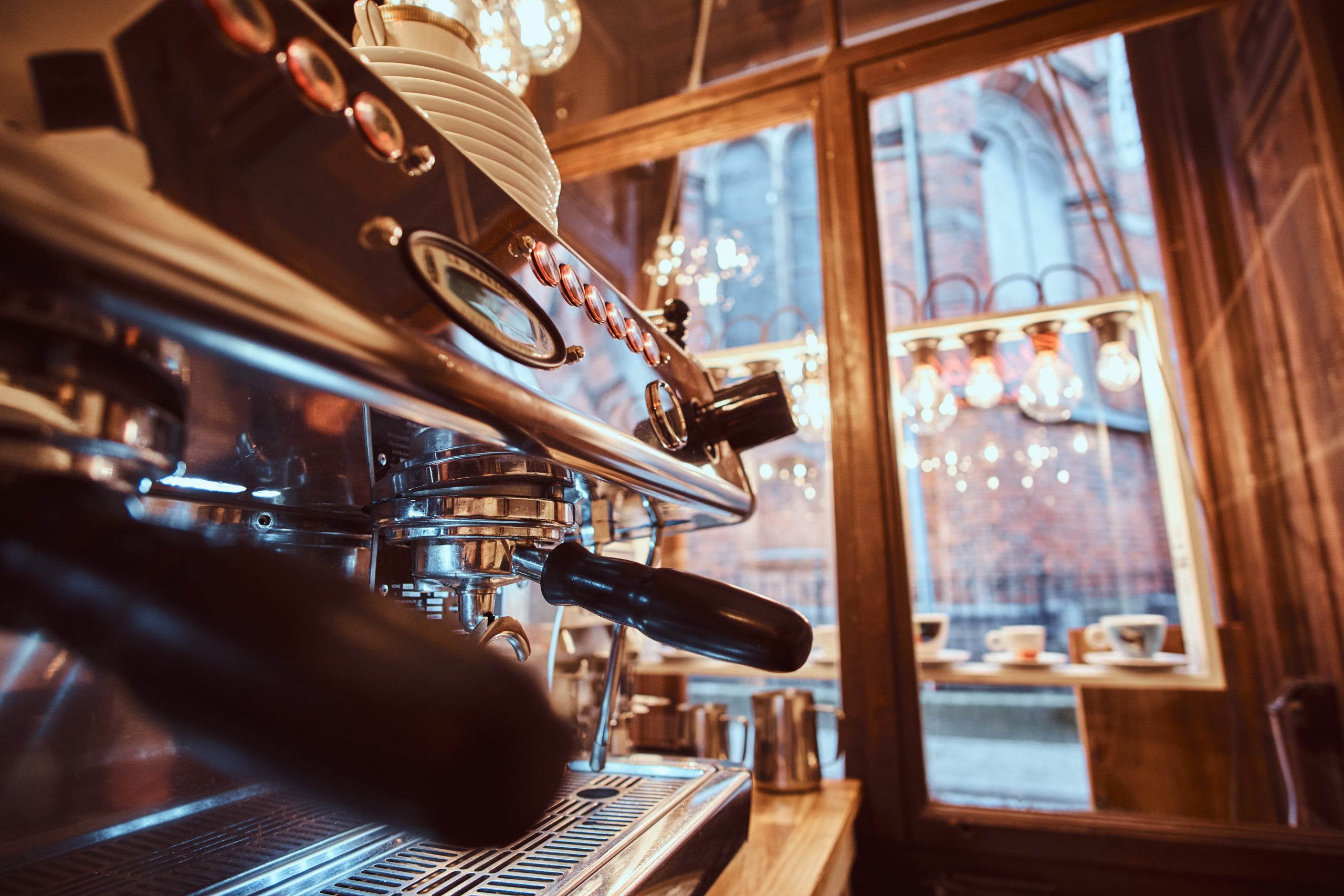
Background noise – Often a mix of espresso machines, chatter, and soft music.
For customers, chains deliver a sense of comfort. You know exactly what to expect, which is reassuring, especially for morning routines or quick coffee stops. Chains are practical for commuters, casual meetings, and people on the go. However, the predictability comes at the cost of personality and unique atmosphere.
Example: Walking into a Starbucks in Manhattan feels familiar even if it’s your first visit. The layout, menu displays, and music are instantly recognizable, providing reassurance and efficiency.
2. Independent Cafés: Character, Creativity, and Comfort
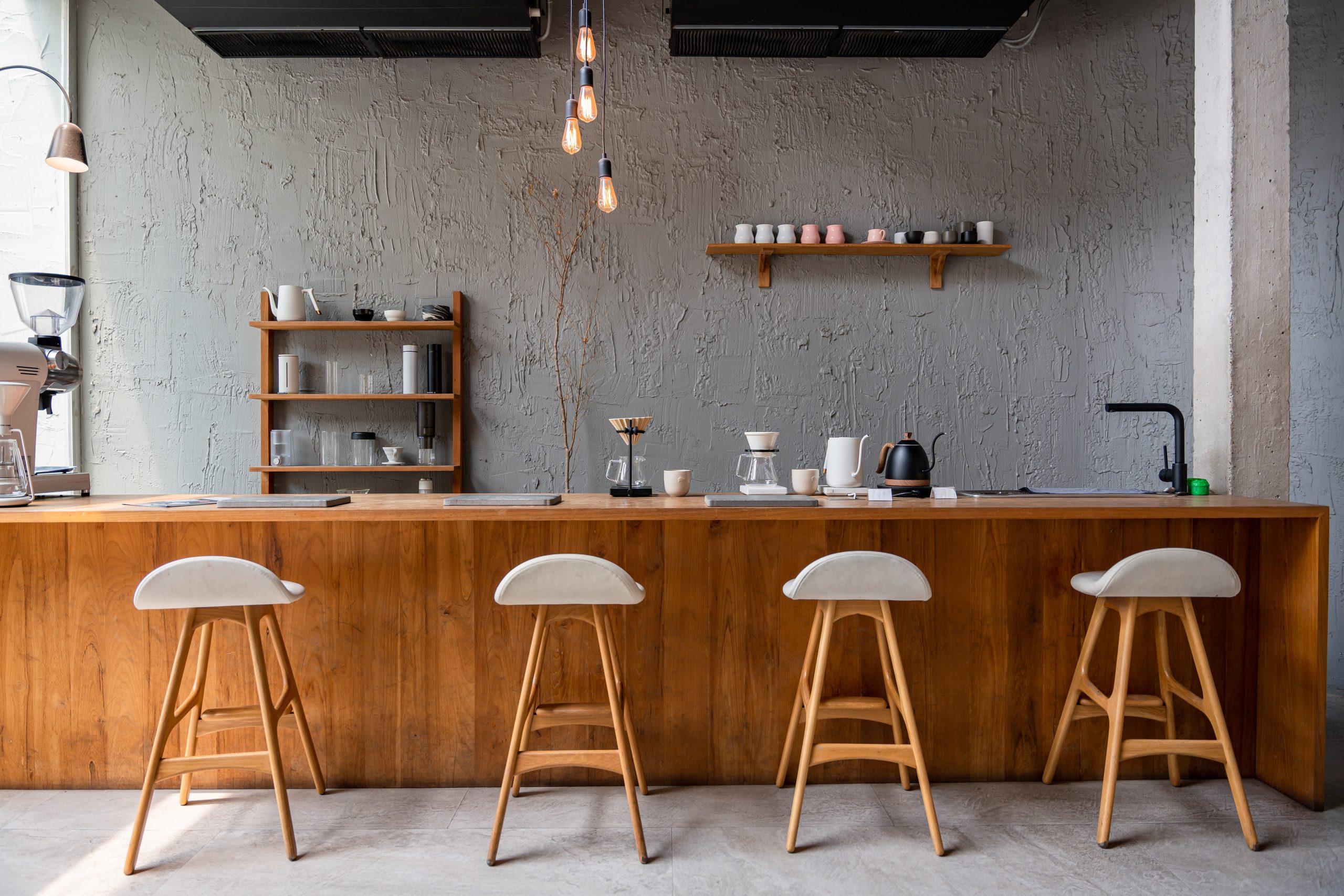
Independent cafés take a different approach. Free from corporate constraints, they have the freedom to craft spaces with personality and individuality. From rustic interiors and local art to eclectic furniture and warm lighting, these cafés often feel like extensions of the neighborhoods they serve.
Key characteristics of independent café ambiance:
-
Unique décor – Handcrafted furniture, local artwork, and personal touches.
-
Mood lighting – Often softer, warmer lighting to create a cozy atmosphere.
-
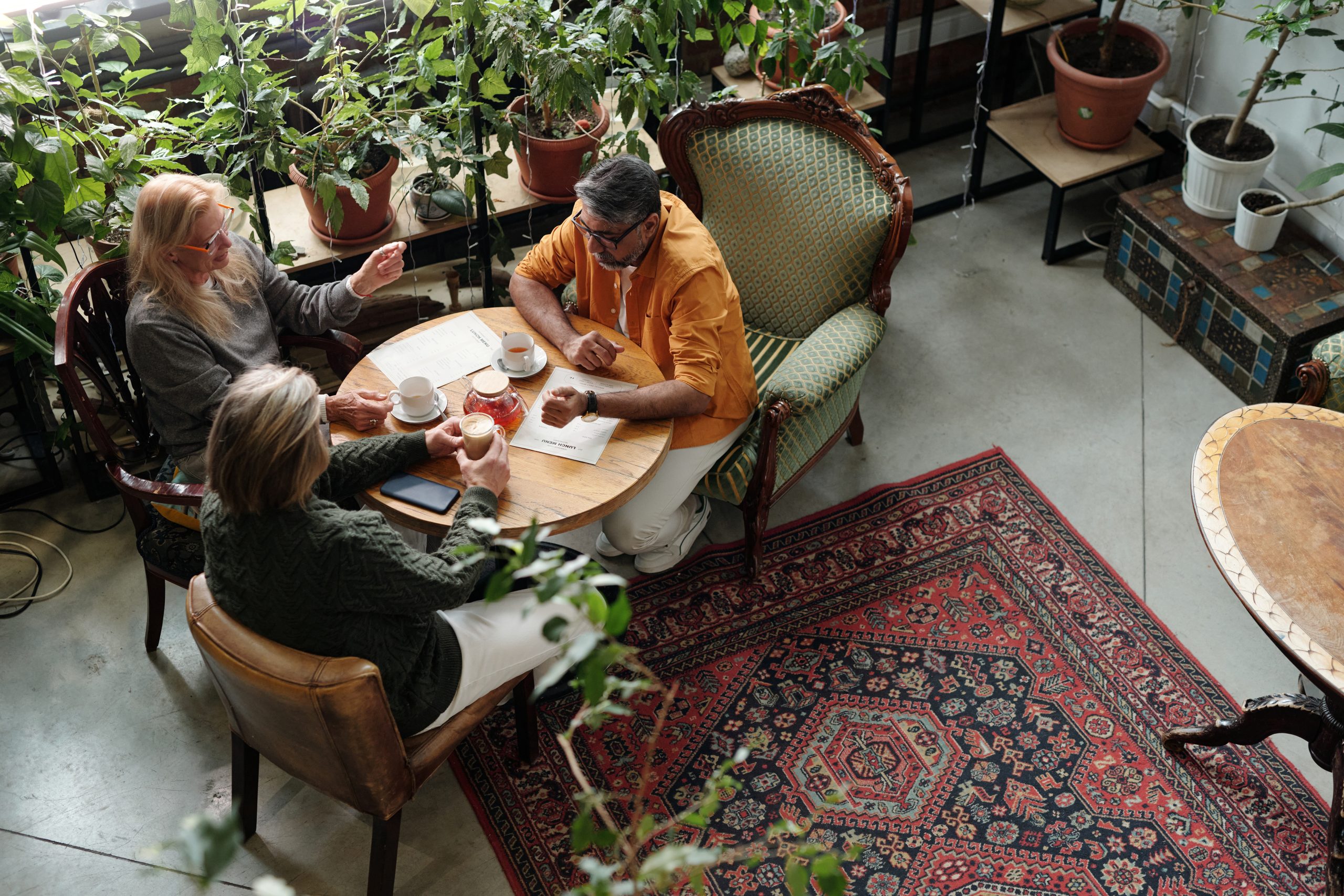
Flexible seating arrangements – Mix of communal tables, quiet corners, and lounge areas.
-
Curated soundscape – Thoughtful playlists, often reflecting the café’s personality.
Independent cafés are ideal for lingering. They encourage conversation, creativity, and comfort. Patrons may spend hours working, reading, or socializing without feeling rushed. This type of ambiance fosters connection, both to the space itself and to the people around it.
Example: A small café in Portland might feature exposed brick walls, vintage couches, and rotating artwork from local artists. Each visit can feel like stepping into a space with its own story.
3. Impact on Productivity and Remote Work
Ambiance directly affects focus and productivity, making the choice of café important for remote workers, students, and freelancers.
Chains:
-
Seating may prioritize efficiency over comfort, with high tables and minimal padding.
-
Background noise can be moderate but predictable, suitable for those who work well with low-level ambient sounds.
-
Ideal for short work sessions, phone calls, or casual meetings.
Independents:
-
Variety in seating allows for private workspaces or collaborative tables.
-
Softer lighting and quieter corners support concentration and long work sessions.
-
Often equipped with reliable Wi-Fi and accessible outlets, tailored to remote workers’ needs.
Choosing the right café based on ambiance can significantly improve productivity, energy levels, and overall satisfaction with your work environment.
4. Social Experience: Interaction vs. Transaction
Ambiance influences social interactions in profound ways.
Chains:
-
Spaces are designed for speed and efficiency, which can make interactions feel transactional.
-
Staff may be friendly, but relationships are often superficial due to high turnover.
-
Background noise and standardized layouts discourage lingering conversation.
Independents:
-
Personal touches in design encourage patrons to linger, fostering conversations and connections.
-
Baristas often recognize regulars and provide personalized recommendations.
-
Community events, art displays, and creative workshops enhance social engagement.
The difference in ambiance can determine whether a café becomes a social hub or just a quick stop. Independent cafés often double as community spaces, while chains excel in delivering efficient, standardized service.
5. Cultural Identity and Local Flavor
Independent cafés often reflect local culture, taste, and identity. They may source ingredients locally, display neighborhood art, or host community events. The ambiance is a tangible reflection of the city or district, giving patrons a sense of place.
Chains, by contrast, prioritize global branding. Their ambiance is designed to feel familiar anywhere in the world, sometimes at the expense of local character. While this predictability appeals to travelers and brand loyalists, it may lack the cultural richness that independent cafés offer.
Example: A café in Austin may feature live music, murals from local artists, and handcrafted furniture, providing an immersive local experience. A chain location in the same city, while comfortable, will feel largely identical to locations in other cities.
6. Music, Noise, and Sensory Experience
Music selection and noise levels play a subtle but crucial role in café ambiance. Chains often use curated playlists to maintain a neutral, inoffensive environment, aiming to appeal to a broad audience.
Independent cafés, however, have the freedom to express personality through sound. Some may play jazz, indie tracks, or live acoustic music, which can elevate mood, creativity, and social engagement.
Noise considerations:
-
Chains: Predictable, moderate background noise; suitable for casual work or quick visits.
-
Independents: Varies by café; may include quiet corners for focused work or lively areas for socializing.
The auditory environment influences whether a patron stays for five minutes or several hours.
7. Choosing the Right Ambiance for Your Needs
Understanding the difference in ambiance helps you select the best café for your purpose:
-
Quick caffeine fix: Chains are efficient and predictable.
-
Remote work or study: Independents offer comfort, quiet corners, and flexible seating.
-
Socializing or networking: Independent cafés encourage conversation and foster a sense of community.
-
Exploring local culture: Independents provide a unique, local flavor that chains often lack.
Your choice doesn’t have to be exclusive. Many people use a combination of both, depending on their mood, needs, and schedule.
8. Final Thoughts
Ambiance matters more than many of us realize. It affects our productivity, social interactions, and overall enjoyment of the coffee experience. Chains offer consistency, efficiency, and predictability, making them ideal for commuters and busy schedules. Independent cafés provide character, warmth, and an immersive environment, ideal for work, leisure, or social engagement.
Whether you value efficiency or personality, short visits or long work sessions, understanding the nuances of café ambiance allows you to make more informed choices. In the battle of coffee chains versus independent cafés, there’s no definitive winner—only the best fit for your lifestyle and mood on any given day.
Next time you step into a café, pay attention to the lighting, seating, music, and overall vibe. Your experience—and perhaps even your productivity—depends on it.
📌 Word count: ~1,215
I can also create a side-by-side infographic comparing chains vs independent cafés on ambiance, noise, seating, lighting, and social experience for visual appeal.
Do you want me to create that infographic?