




For coffee lovers, travel isn’t just about sightseeing—it’s about sipping, savoring, and discovering coffee cultures around the world. From historic espresso bars in Europe to specialty cafés in Asia, each destination offers unique experiences, flavors, and social rituals. Whether you’re a casual traveler or a dedicated coffee enthusiast, knowing where to go, what to try, and how to engage with local coffee culture can transform your journey.
This guide is designed to help coffee travelers navigate global cafés, uncover hidden gems, and make the most of every cup along the way.
1. Planning Your Coffee Journey
A successful coffee trip starts with planning. Consider your travel style, interests, and priorities:
-
Destination research: Identify cities or regions known for coffee culture. Europe, Oceania, Asia, and the Americas all offer distinct experiences.
-
Local specialties: Learn about signature drinks and brewing methods to try in each location.
-
Timing: Some cafés have peak hours, traditional service times, or cultural rituals that influence the experience.
Tip: Use travel blogs, Instagram, and local coffee guides to discover both popular spots and hidden gems. Combining well-known cafés with off-the-beaten-path options provides a balanced experience.
2. Understanding Café Cultures Around the World
Coffee culture varies widely, and understanding local habits can enhance your experience:
-
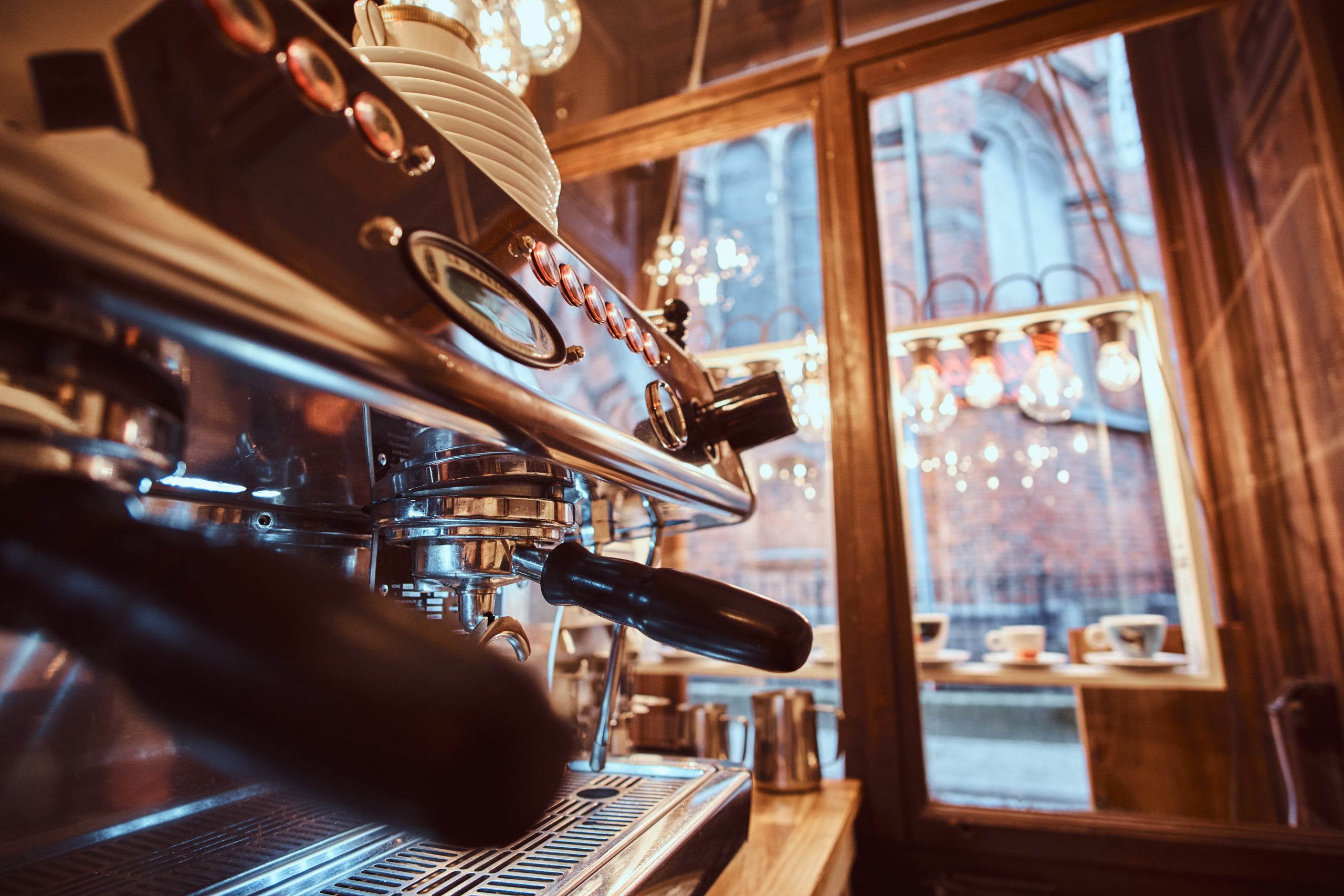
Italy: Espresso bars are for quick, standing coffee. Locals often enjoy a short espresso in the morning or a macchiato mid-day.
-
France: Parisian cafés emphasize leisure. Patrons linger over café au lait or espresso, often accompanied by pastries, while people-watching.
-
Japan: Precision and mindfulness define specialty coffee. Pour-over and siphon brewing are common, and cafés often provide calm, minimalistic spaces.
-
Australia/New Zealand: Cafés are social hubs with artisanal coffee, the beloved flat white, and a lifestyle-centered café culture.
Knowing these customs helps travelers avoid awkward moments, enhances appreciation for local traditions, and allows you to blend in like a local.
3. Choosing the Right Cafés
Not all cafés are created equal. Here’s how to select the best spots for your journey:
-
Specialty vs. Chain: Chains provide convenience and consistency, but independent cafés offer personality, local flavor, and higher-quality coffee.
-
Ambiance: Decide whether you want a lively social scene, a quiet workspace, or a café rich in history.
-
Local recommendations: Ask residents or baristas for hidden gems—they often point to cafés overlooked by tourists.
-
Online reviews: Platforms like Google Maps, Yelp, and specialty coffee apps can guide you to quality spots.
Tip: Mix it up—enjoy a few well-known landmarks but prioritize independent cafés for authentic experiences.
4. Signature Drinks to Try Worldwide
Sampling local coffee specialties is essential to any coffee journey. Some must-try beverages include:
-
Italy: Espresso, cappuccino, macchiato
-
France: Café au lait, noisette
-
Spain: Café con leche, cortado
-
Vietnam: Cà phê sữa đá (iced coffee with condensed milk), egg coffee
-
Japan: Pour-over single-origin, siphon coffee
-
Australia/New Zealand: Flat white, piccolo latte
-
Colombia/Brazil: Café tinto, specialty single-origin espresso
Tip: Don’t be afraid to try seasonal drinks or unique creations—these often highlight local ingredients and brewing innovation.
5. Exploring Off-the-Beaten-Path Cafés
Some of the most memorable coffee experiences happen away from tourist crowds:
-
Seek local neighborhoods: Often, the best cafés are tucked into residential streets rather than main tourist areas.
-
Look for small, independent spots: These often focus on craft, sustainability, and personal service.
-
Observe and engage: Watch brewing techniques, interact with baristas, and learn about local beans.
Example: Hanoi’s hidden alleys feature tiny cafés serving egg coffee in intimate spaces. Similarly, Tokyo’s specialty cafés like Onibus Coffee provide immersive, handcrafted experiences in small, serene locations.
6. Coffee Etiquette Around the World
Understanding etiquette enhances your experience and helps you respect local culture:
-
Italy: Stand at the bar for espresso; cappuccinos are traditionally consumed only before noon.
-
France: Take your time, linger at the table, and enjoy pastries with your coffee.
-
Japan: Avoid loud conversation; appreciate the brewing process and serene atmosphere.
-
Australia/New Zealand: Friendly interaction is welcome, and baristas are often happy to explain brewing techniques.
Tip: Observe locals and follow their lead—this ensures a smooth, enjoyable experience.
7. Practical Tips for Coffee Travelers
-
Bring a reusable cup: Many cafés offer discounts for reusable cups and help reduce waste.
-
Use coffee apps: Apps like Beanhunter or Local Coffee Map help locate nearby specialty cafés.
-
Plan for Wi-Fi and seating: If working remotely, check if the café provides reliable Wi-Fi, outlets, and comfortable seating.
-
Document your journey: Take notes, photos, or create a travel diary to remember unique cafés, drinks, and experiences.
-
Balance exploration and routine: Schedule a mix of guided café visits and spontaneous discoveries.
8. Coffee and Local Culture
Coffee is deeply intertwined with culture. Visiting cafés provides insight into daily life, community habits, and even architecture:
-
Europe: Cafés are social centers for conversation and reflection.
-
Asia: Emphasis on precision, aesthetics, and mindful consumption.
-
Americas: Focus on community, craft, and innovation.
-
Oceania: Coffee is a lifestyle, combining quality with social interaction.
Travelers who engage with local coffee culture gain a richer understanding of the people, traditions, and rhythms of their destination.
9. Combining Coffee with Travel Experiences
Make your coffee journey more memorable by pairing it with local experiences:
-
Historical cafés: Visit cafés with long-standing traditions, like Vienna’s Café Central or Paris’s Les Deux Magots.
-
Roastery tours: Learn about local beans and roasting techniques, especially in Colombia, Brazil, or specialty cafés in the U.S.
-
Coffee workshops: Participate in brewing classes, latte art workshops, or tasting sessions.
-
Cultural immersion: Combine coffee visits with local markets, art districts, and neighborhood exploration.
This approach turns each coffee stop into a holistic cultural experience.
10. Final Thoughts
Coffee travel is more than chasing caffeine—it’s a journey into culture, history, and human connection. Each cup tells a story, from the bustling espresso bars of Rome to the tranquil specialty cafés of Kyoto. By researching local customs, exploring hidden gems, and engaging with baristas and locals, travelers can transform ordinary coffee breaks into unforgettable experiences.
Whether you’re sipping a flat white in Melbourne, sampling egg coffee in Hanoi, or enjoying a leisurely café au lait in Paris, every café visit is an opportunity to connect—with the beverage, the culture, and the people around you.
The ultimate coffee journey combines exploration, appreciation, and adventure, allowing travelers to experience the world one cup at a time. So pack your sense of curiosity, bring your love for coffee, and embark on a journey that will awaken your taste buds and enrich your travel experiences.