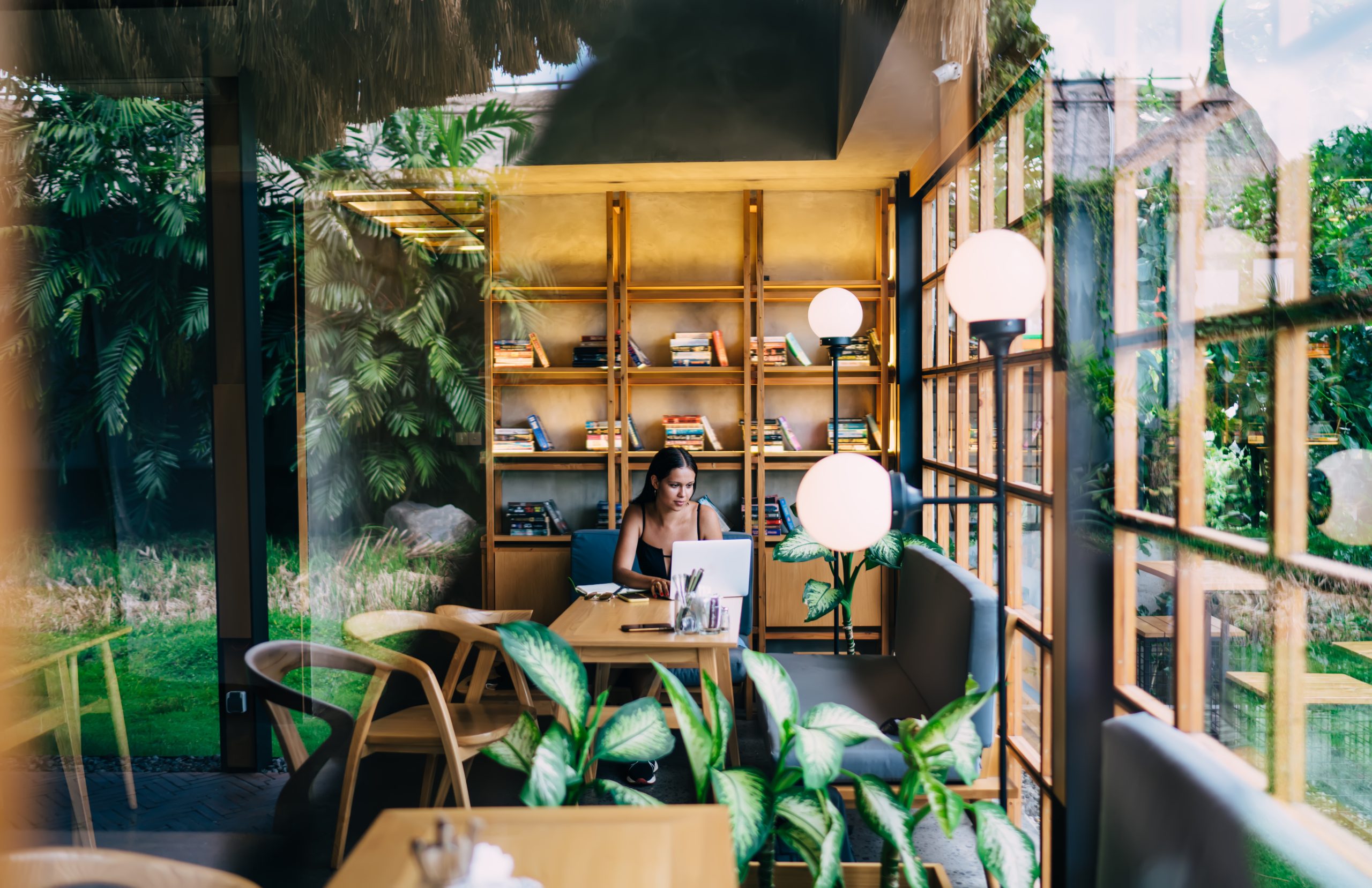








In the modern era of remote work and freelancing, coffee shops have become more than just places to enjoy a cup of coffee—they are hubs of social interaction, creativity, and collaboration. For freelancers, choosing the right café isn’t just about comfort and Wi-Fi; it’s also about opportunities to network, connect with other professionals, and be part of a thriving community. Whether you’re looking to meet potential collaborators, exchange ideas, or simply be inspired by the energy of other motivated individuals, some cafés naturally lend themselves to these interactions better than others.
In this guide, we’ll explore the characteristics of networking-friendly cafés, provide tips for making the most of these environments, and highlight how freelancers can turn a simple café visit into a productive networking opportunity.
Why Networking-Friendly Cafés Matter for Freelancers
Networking is a cornerstone of professional growth for freelancers. Unlike traditional employees, freelancers often work in isolation, which can limit opportunities for collaboration, mentorship, and learning. Cafés with networking-friendly environments can help bridge this gap by:
1. Creating Social Opportunities: These cafés naturally attract other professionals, making it easier to strike up conversations and share insights.
2. Inspiring Collaboration: Being around like-minded individuals fosters creativity and can lead to collaborative projects.
3. Enhancing Learning: Observing how other freelancers work, manage their tasks, or present themselves can provide valuable lessons.
4. Building Community: Regular visits help establish relationships with other professionals, creating a sense of belonging outside traditional office spaces.
By carefully selecting cafés that foster networking, freelancers can enhance their professional lives while enjoying the relaxed atmosphere of a coffee shop.
Characteristics of Networking-Friendly Cafés
Not all cafés are equally conducive to professional networking. Look for these features:
1. Communal Seating: Tables that encourage shared spaces naturally facilitate conversation and interaction. Long tables or bar-style seating are ideal for meeting new people.
2. Regular Professional Visitors: Cafés near co-working spaces, tech hubs, or business districts often attract freelancers, creatives, and entrepreneurs.
3. Events and Workshops: Some cafés host workshops, talks, or networking events specifically designed for professionals, providing natural opportunities for connection.
4. Open Layouts and Vibrant Atmosphere: Bright, airy spaces with comfortable seating encourage movement and conversation, unlike quiet, secluded cafés intended solely for focused work.
5. Friendly Staff and Community Vibe: A welcoming staff and friendly atmosphere can make introductions and casual conversations easier.
Choosing a café with these characteristics significantly increases the chances of meaningful networking.
Tips for Networking in Cafés
Networking in a café requires more than just showing up. Here are strategies to make your visit productive:
1. Arrive with Purpose: Have a clear goal—whether it’s meeting potential collaborators, getting feedback on your work, or simply expanding your professional circle.
2. Be Approachable: Sit in communal areas, maintain open body language, and avoid appearing overly absorbed in your laptop.
3. Start Small Conversations: Comment on the café environment, ask about a person’s work, or share a tip. Casual interactions can naturally evolve into meaningful connections.
4. Attend Hosted Events: If the café hosts workshops, meetups, or panel discussions, participate actively. These events provide structured networking opportunities.
5. Follow Up: Exchange contact information or social media handles when appropriate, and follow up later to maintain the connection.
Networking in cafés is about subtle engagement. Being genuine, approachable, and considerate creates opportunities without feeling forced.
Café Design and Layout for Networking
The physical setup of a café greatly affects its networking potential:
1. Shared Tables: Long, communal tables encourage interaction between strangers who may share similar professional interests.
2. Flexible Seating Arrangements: Movable chairs and modular seating allow small groups to gather and connect easily.
3. Open Spaces: Cafés with open floor plans reduce barriers to communication and make it easier to notice others for potential conversations.
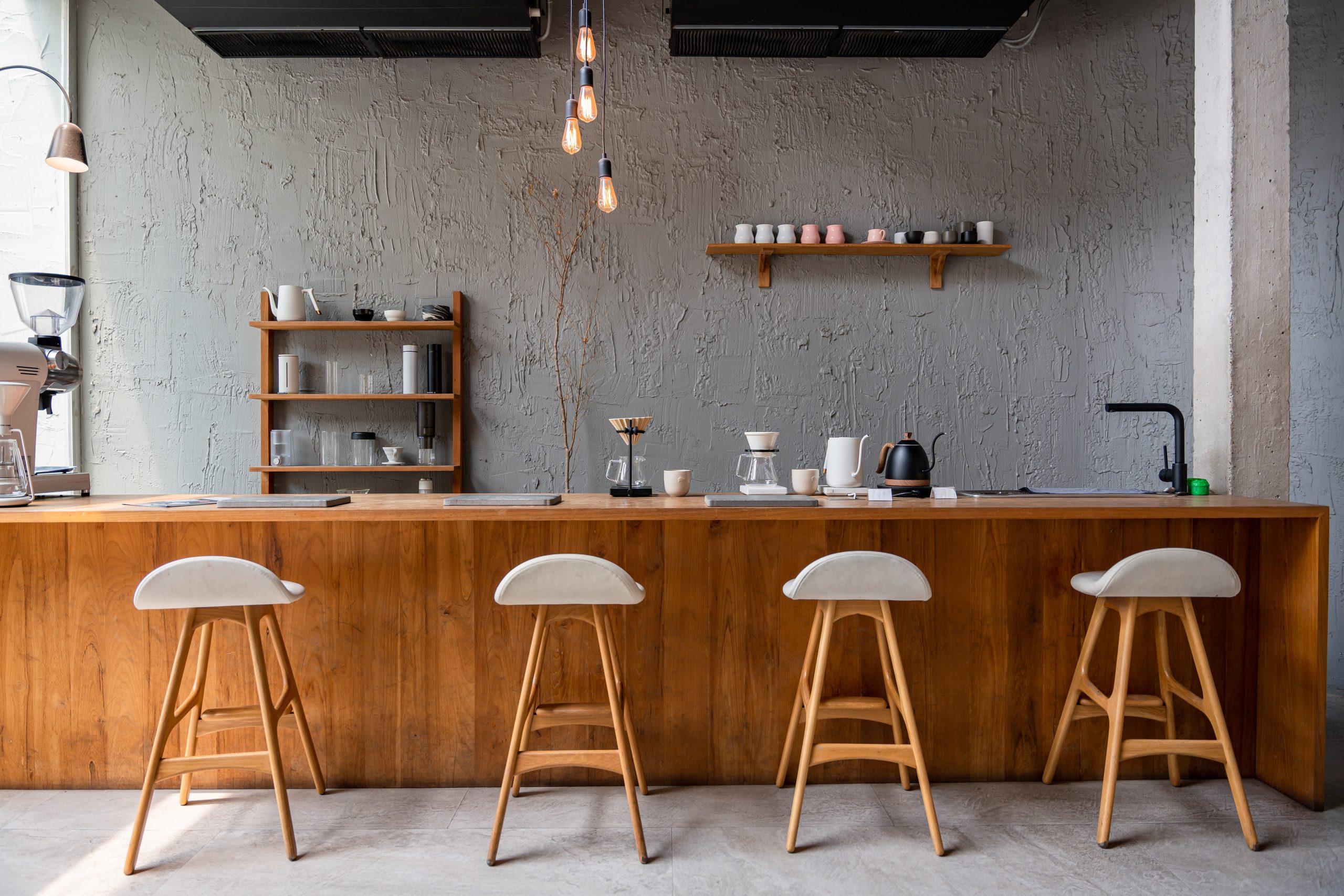
4. Coffee Bar Interaction: Sitting near the counter encourages casual chats with staff and fellow patrons. Many networking opportunities arise naturally in these settings.
By choosing cafés designed with social interaction in mind, freelancers can maximize their networking potential.
Creating Your Networking Routine
Regular visits to networking-friendly cafés can turn casual encounters into meaningful relationships.
1. Choose a “Home” Café: Select a café you visit consistently. Familiarity helps you recognize other regulars and build rapport over time.
2. Mix Work and Socializing: Allocate time for focused work and time for casual interactions. Balance is key to productivity and networking.
3. Participate in Community Activities: Engage in events, contests, or collaborations hosted by the café. Active participation strengthens connections.
4. Observe and Adapt: Learn from the environment and the people you meet. Adjust your approach based on how the café community interacts.
Developing a routine at a networking-friendly café can transform it into a hub of opportunity rather than just a workspace.
The Benefits of Networking Through Cafés
Networking in cafés offers multiple advantages for freelancers:
1. Collaboration Opportunities: Meeting other professionals can lead to partnerships on projects or referrals.
2. Learning and Inspiration: Engaging with diverse individuals exposes you to new ideas, techniques, and perspectives.
3. Professional Growth: Building a local network strengthens your personal brand and opens doors for future opportunities.
4. Motivation and Accountability: Working around other driven professionals can increase your own productivity and encourage discipline.
By leveraging the social aspect of cafés, freelancers can create a rich professional ecosystem without attending formal events.
Popular Networking-Friendly Café Types
Certain types of cafés naturally attract freelancers and professionals:
1. Co-Working Cafés: These cafés are explicitly designed for remote work and collaboration, often offering reserved tables, meeting rooms, and networking events.
2. Creative Hubs: Cafés near art districts or creative studios attract artists, designers, and writers who are open to collaboration.
3. Business District Cafés: Proximity to offices and corporate hubs brings in professionals who are likely to engage in networking.
4. Event-Hosting Cafés: Establishments that host workshops, talks, or meetups offer structured networking opportunities.
Choosing cafés within these categories increases the chances of meeting people aligned with your professional interests.
Etiquette for Networking in Cafés
While networking, it’s important to respect the café environment and other patrons:
1. Mind Your Volume: Keep conversations at a reasonable level to avoid disturbing others.
2. Limit Occupying Large Spaces: Avoid taking up multiple tables or seats for extended periods during peak hours.
3. Respect Privacy: Some patrons prefer to work quietly; approach them politely if initiating conversation.
4. Support the Café: Order drinks or snacks regularly to contribute to the business while networking.
Being courteous ensures that your networking activities are welcomed and sustainable in the long term.
Conclusion
For freelancers, cafés offer more than caffeine—they are spaces for inspiration, collaboration, and professional growth. By selecting cafés that encourage networking through communal seating, engaging atmospheres, and community events, freelancers can turn casual visits into meaningful professional opportunities.
Remember, effective networking in cafés is about balance: participate in conversations, be approachable, and respect the environment, while also dedicating time for focused work. Regular visits and active engagement can create a vibrant professional network that supports your freelance career, enhances creativity, and opens doors to new opportunities.
Choosing the right café can transform a simple workspace into a dynamic environment where productivity, creativity, and networking converge—all while enjoying the comfort of your favorite coffee.