





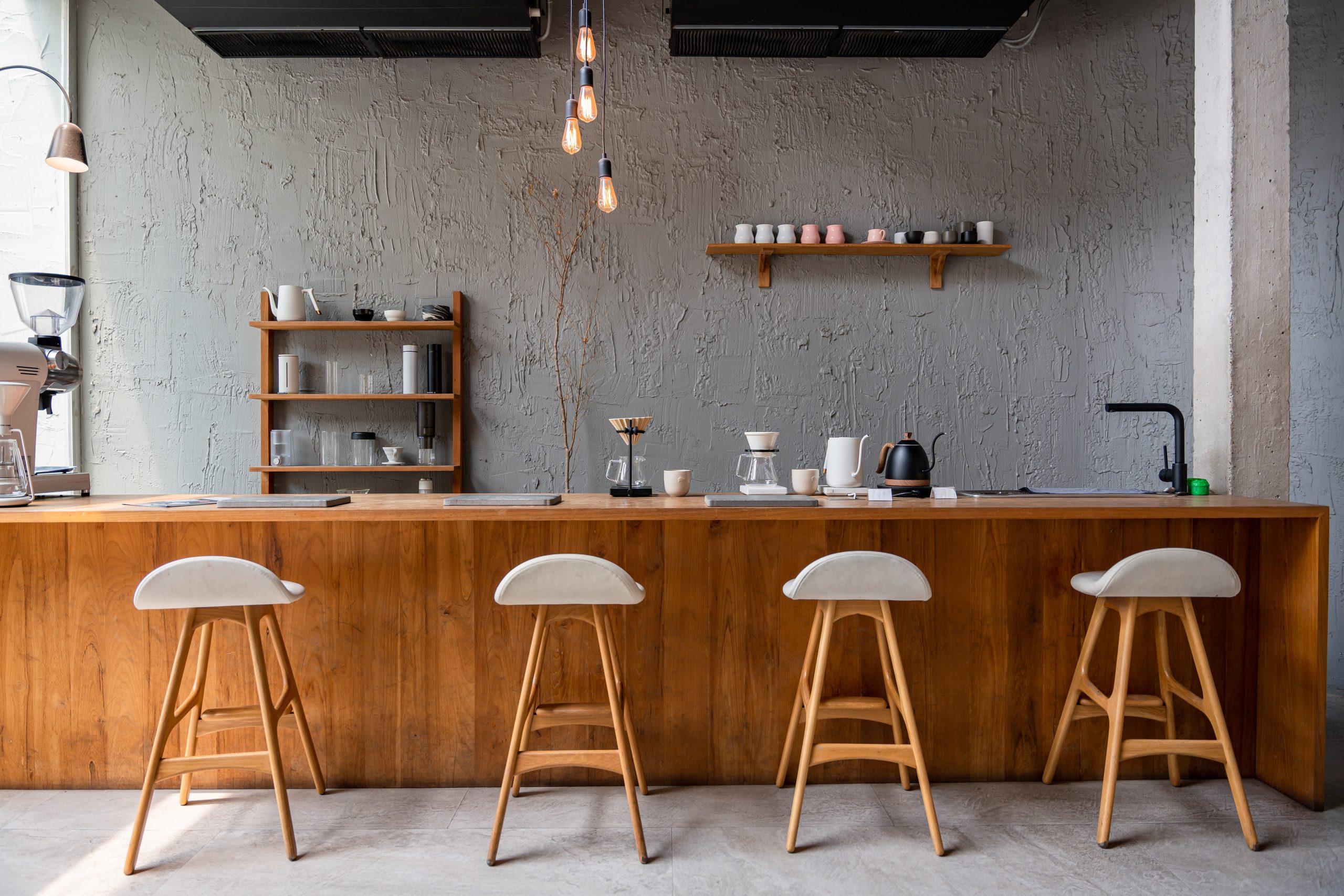

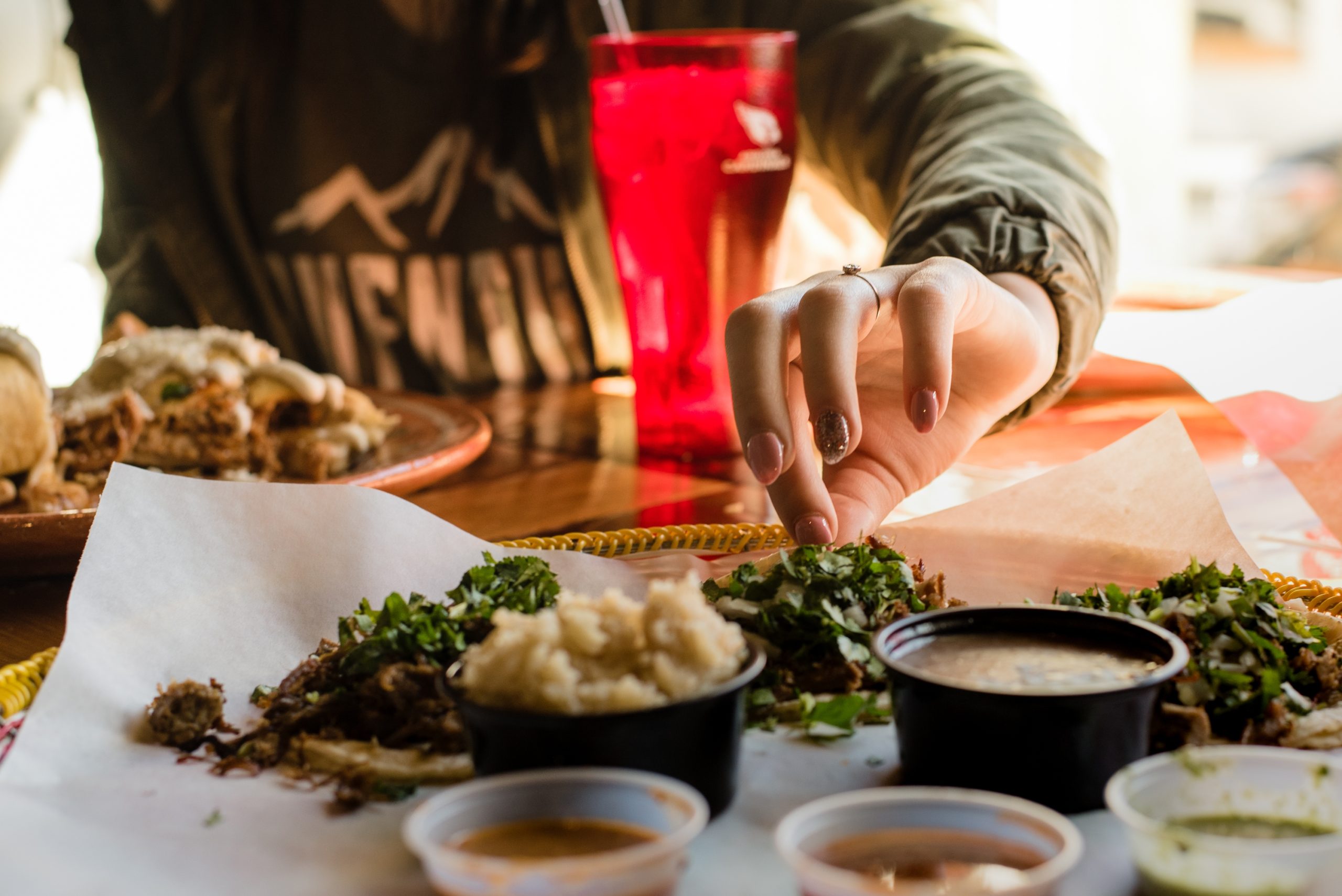

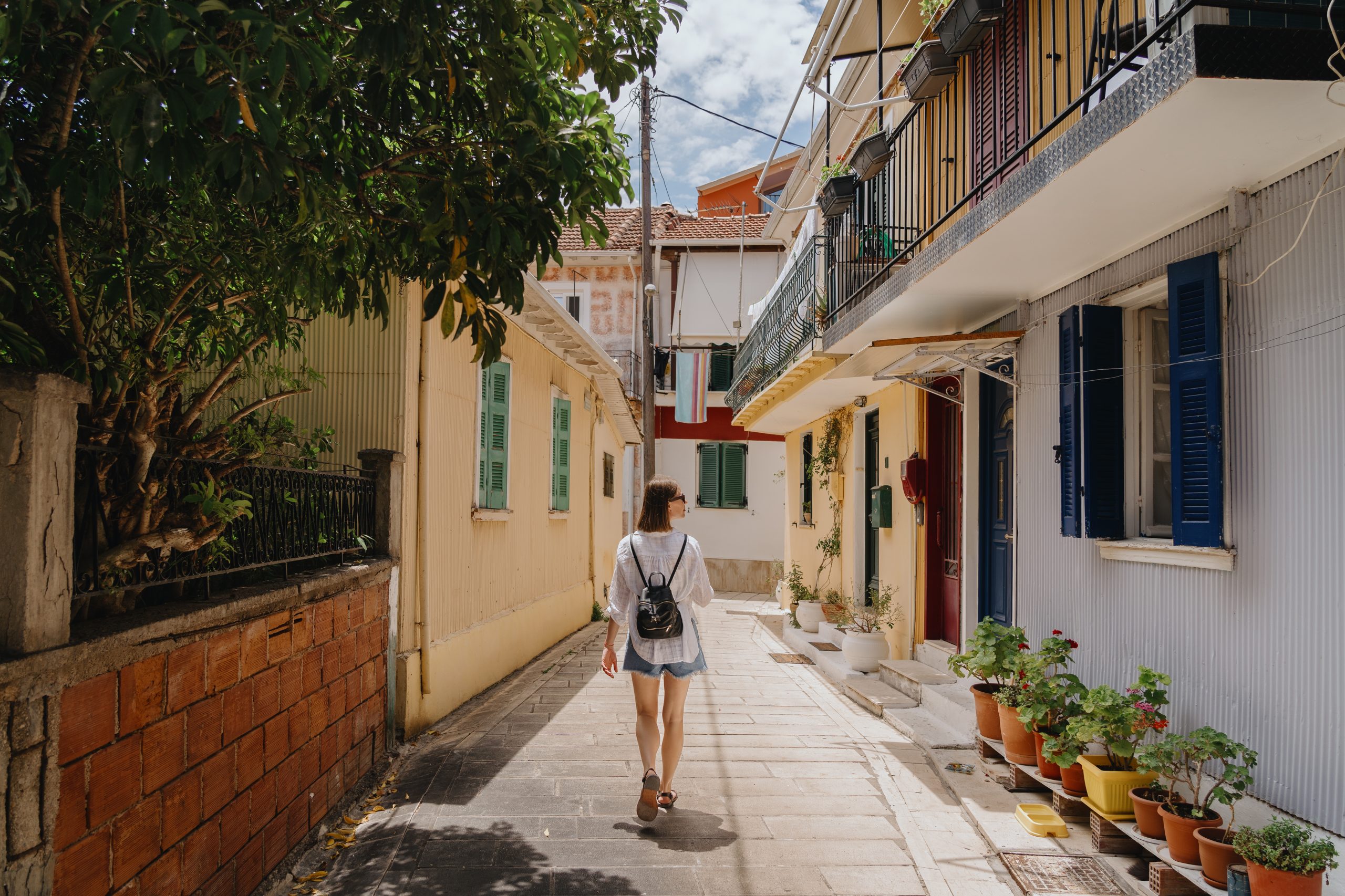
When traveling to a new city, it’s easy to focus on the iconic landmarks—the Eiffel Tower in Paris, the Colosseum in Rome, or the Statue of Liberty in New York. But while these sights are undoubtedly impressive, the real magic of a city often lies in its hidden neighborhoods. The streets less traveled, local cafés, small artisan shops, and community spaces reveal the authentic culture, history, and rhythm of urban life.
Exploring beyond the well-known landmarks allows travelers to connect with local communities, experience everyday life, and discover stories that are often overlooked by mainstream tourism. This guide highlights hidden neighborhood gems across continents and offers tips for making the most of these immersive experiences.
1. Why Neighborhood Exploration Matters
Hidden neighborhoods provide a deeper understanding of a city than famous tourist spots alone. Here’s why they’re worth exploring:
-
Authenticity: Tourist-heavy areas often cater to visitors, while neighborhoods frequented by locals preserve genuine culture, cuisine, and traditions.
-
Community Connection: These areas provide opportunities to interact with residents, shop at local markets, and attend community events.
-
Unique Experiences: From street art to boutique cafés, hidden neighborhoods offer surprises and memorable discoveries that define the character of the city.
-
Slower Pace: Away from crowds, you can explore at your own rhythm, noticing details often missed in popular spots.
2. Europe: Charm in the Side Streets
Lisbon, Portugal – Alfama District
Alfama, Lisbon’s oldest neighborhood, is a maze of narrow streets, colorful tiles, and historic buildings. While tourists flock to the main squares, the alleyways hide small fado bars, artisanal shops, and local cafés. Walking through Alfama gives travelers a glimpse of traditional Lisbon life, complete with street performers and neighborhood markets.
Paris, France – Le Marais
Le Marais is a vibrant, historic district with cobblestone streets, boutique shops, and intimate cafés. Away from the main attractions like the Louvre, this neighborhood is perfect for wandering, discovering hidden galleries, and enjoying pastries at small patisseries. The area balances history with modern cultural flair, making it a favorite for those seeking a more personal Paris experience.
Rome, Italy – Trastevere
Trastevere is a picturesque Roman neighborhood with narrow streets, ivy-covered walls, and charming piazzas. Here, trattorias, small cafés, and artisan shops thrive alongside locals’ daily routines. Exploring Trastevere allows visitors to experience Rome’s authentic lifestyle while avoiding the crowds near the Colosseum or Piazza Navona.
3. Asia: Hidden Corners and Local Culture
Tokyo, Japan – Shimokitazawa
Shimokitazawa is a bohemian neighborhood in Tokyo, known for its indie boutiques, vintage shops, and quirky cafés. Unlike the crowded districts of Shibuya or Shinjuku, Shimokitazawa offers a relaxed atmosphere where travelers can explore local fashion, street art, and cozy coffee spots.
Hanoi, Vietnam – Old Quarter Alleyways
While Hanoi’s Old Quarter attracts many tourists, the alleyways off the main streets are home to hidden eateries, family-run cafés, and artisan shops. Here, travelers can sample traditional Vietnamese coffee, watch craftspeople at work, and immerse themselves in daily city life.
Seoul, South Korea – Ikseon-dong
Ikseon-dong is a revitalized hanok (traditional Korean house) neighborhood blending historic architecture with modern cafés and boutique stores. Visitors can sip specialty coffee in a hanok setting, shop local crafts, and experience Seoul’s blend of tradition and trendiness.
4. Americas: Neighborhood Gems and Local Flavor
New York City, USA – Greenwich Village
While Manhattan is known for Times Square and Broadway, Greenwich Village offers a more authentic New York experience. Its tree-lined streets, local cafés, and independent bookstores provide a quieter, artistic side of the city. Musicians, street performers, and historic landmarks like Washington Square Park make it a culturally rich neighborhood to explore on foot.
Bogotá, Colombia – La Candelaria
La Candelaria is Bogotá’s historic district, filled with colonial architecture, narrow streets, and small cafés. Beyond the major tourist sites, the neighborhood offers hidden art galleries, boutique shops, and local eateries. Walking through La Candelaria allows travelers to experience Bogotá’s history and culture firsthand.
Buenos Aires, Argentina – Palermo Soho
Palermo Soho is a trendy neighborhood featuring boutique shops, local restaurants, and street art. Unlike the crowded tourist areas, Palermo encourages exploration on foot, offering hidden cafés, artisanal markets, and a lively but relaxed atmosphere that captures the spirit of Buenos Aires.
5. Oceania: Discovering Local Life
Melbourne, Australia – Fitzroy
Fitzroy is Melbourne’s creative hub, known for street art, independent cafés, and vintage stores. Away from the central business district, Fitzroy showcases Melbourne’s artistic and coffee culture. Travelers can enjoy specialty coffee, explore local galleries, and soak in a community-driven, authentic vibe.
Wellington, New Zealand – Cuba Street
Cuba Street combines historic charm with modern culture. Independent bookstores, cafés, and small galleries line the street, creating an eclectic, walkable neighborhood. Travelers can enjoy coffee at a local café while listening to street performers and experiencing Wellington’s lively yet intimate urban culture.
6. Africa: Cultural Immersion in Local Neighborhoods
Addis Ababa, Ethiopia – Piazza District
Piazza in Addis Ababa offers a blend of Italian-influenced architecture and local markets. Hidden cafés tucked into side streets serve traditional Ethiopian coffee, allowing travelers to witness coffee ceremonies and engage with local customs in an authentic setting.
Cape Town, South Africa – Woodstock**
Woodstock is a creative, revitalized neighborhood featuring art studios, cafés, and markets. Away from the main tourist attractions, visitors can explore local murals, enjoy artisanal coffee, and interact with the community. Woodstock captures Cape Town’s urban culture and artistic spirit, offering a unique perspective on the city.
7. Tips for Exploring Neighborhood Gems
-
Walk, Don’t Drive: Many hidden gems are best discovered on foot, allowing you to notice details and spontaneous finds.
-
Talk to Locals: Ask residents for recommendations—they often know the best cafés, markets, and secret spots.
-
Blend Itinerary with Discovery: Plan a few key stops but leave room to wander and explore.
-
Embrace the Unexpected: Hidden neighborhoods often offer surprises—from street performers to pop-up markets.
-
Document Your Journey: Take notes or photos of cafés, shops, and unique streetscapes to remember your discoveries.
8. Why Hidden Neighborhoods Enrich Travel
Exploring hidden neighborhoods adds depth to travel in several ways:
-
Cultural Insight: Local shops, cafés, and daily routines reveal traditions and community values.
-
Authentic Experiences: Away from tourist crowds, interactions feel genuine and personal.
-
Memorable Discoveries: Unique streets, street art, and small businesses often create lasting impressions.
-
Sense of Place: Understanding neighborhoods provides context for the city as a whole, connecting visitors to its heartbeat.
9. Conclusion
Traveling beyond the landmarks transforms a trip from a checklist of tourist attractions into an immersive cultural experience. Hidden neighborhoods offer the true essence of a city—its history, creativity, social life, and culinary scene. From Alfama in Lisbon to Fitzroy in Melbourne, these areas reveal stories that cannot be found in guidebooks.
By wandering side streets, engaging with locals, and discovering small cafés, shops, and galleries, travelers can experience cities in a meaningful and memorable way. Beyond the landmarks, every corner, alley, and café holds a story waiting to be uncovered.
For those willing to explore, the world’s hidden neighborhood gems provide not only coffee and cuisine but also culture, connection, and inspiration. Every step off the beaten path brings you closer to understanding the soul of a city.